Skip to content
If you’re building a lash brand, running a salon, or scaling an online store, your supplier choice can make—or break—your reputation. The market for bulk lash clusters has exploded, but so have quality inconsistencies, unreliable lead times, and outright fraud. This guide walks you through Finding Reliable Wholesale Lash Cluster Vendors with a practical, step-by-step process: what to ask, what to test, what to document, and how to compare vendors fairly.

Why reliable wholesale lash cluster vendors matter (more than price)
Lash clusters are a high-touch product: end customers notice shedding, stiffness, glue residue, uneven fans, or band discomfort immediately. When a vendor fails on quality or fulfillment, you don’t just lose margin—you lose repeat customers, incur refunds, and risk negative reviews that drag down conversion.
Reliable wholesale lash cluster vendors typically deliver:
- Stable quality across batches (consistent curl, length, and density)
- Clear lash cluster quality standards and QC documentation
- Predictable fulfillment, accurate tracking, and reasonable lead times
- Transparent lash vendor MOQ requirements and pricing tiers
- Professional support (pre-sales sampling and after-sales resolution)
If you’re comparing lash cluster vendors wholesale options, treat reliability as a measurable system—not a gut feeling.
Lash cluster vendors vs strip lashes: what changes in wholesale sourcing?
Understanding lash cluster vendors vs strip lashes helps you ask better questions during sourcing.
Key differences that affect vendor selection:
- Band design: Clusters rely on a micro-band or knot that must feel comfortable and blend seamlessly.
- Uniformity across segments: Small variations show up more on clusters than strips.
- Wear expectations: Many cluster customers want longer wear (multi-day) even when products are marketed as “daily,” which increases stress on materials.
- Packaging & hygiene: Cluster trays and seal packaging need stronger dust control and presentation because customers often buy in sets.
When you buy lash cluster wholesale, ask suppliers about their band manufacturing process, knotting method (if applicable), and curl-setting stability in humidity and heat.

Step 1: Define your product requirements before you contact vendors
Before you message cluster lash vendors wholesale suppliers, document exactly what you’re trying to source. Vendors respond faster—and more accurately—when you provide a spec sheet.
Build a simple “cluster spec” document including:
- Style names or references (wispy, spiky, natural, doll-eye, cat-eye)
- Curl options (e.g., C, CC, D) and tolerance expectations
- Length map ranges (e.g., 8–16 mm) and best-sellers you’ll stock
- Diameter/thickness targets (and how “soft” you want the fiber)
- Band type preferences (thin clear, black, micro-band)
- Material preferences (PBT fiber commonly; note if you want “matte” finish)
- Tray count per pack and packaging style
- Private label requirements (logo, insert card, barcode/SKU, custom box)
This sets you up for better lash cluster bulk pricing negotiations because you’re comparing apples to apples.
Step 2: Where to buy lash clusters wholesale (and how to choose the channel)
There are multiple sourcing channels for where to buy lash clusters wholesale, and each has tradeoffs.
Option A: Direct factories and lash extension wholesalers
Working with lash extension wholesalers or direct factories can offer:
- Lower unit cost at scale
- More customization and stronger private label lash clusters options
- More control over production and long-term consistency
Tradeoffs:
- Higher MOQs
- Longer development time (especially for custom packaging)
- You must do more vetting and QC planning
Option B: Trading companies / consolidators
These can be convenient if you want:
- Lower MOQs
- Faster sampling
- A wider catalog (clusters + adhesives + tools)
Tradeoffs:
- Less transparency into manufacturing
- Possible quality variation if they switch factories
Option C: Domestic distributors (U.S.-based inventory)
Pros:
- Fast shipping, easier returns
- Lower risk of customs delays
- Often easier payment terms
Cons:
- Higher pricing
- Less customization for private label
Option D: Marketplaces (Alibaba, etc.)
Marketplaces can work, but require strict vetting. If you want an Alibaba lash suppliers alternative, consider:
- Industry trade shows
- Professional B2B directories
- Referrals from brand owners (verify independently)
- Manufacturer websites with verifiable factory info
No matter the channel, the goal is the same: identify best lash cluster vendors for your exact business model—not just the cheapest listing.

Step 3: A reliable lash vendor checklist (your non-negotiables)
Use a reliable lash vendor checklist so you don’t skip key steps when a vendor seems “nice” or the quote looks amazing.
Business legitimacy checks
- Company registration info (ask for legal entity name and address)
- Years in operation and factory capacity (monthly output)
- Trade references or customer examples (blurred invoices are okay)
- Verified contact channels (company email domain, consistent WhatsApp/WeChat)
Product and QC checks
- Stated lash cluster quality standards (curl retention, shedding rate targets, band uniformity)
- QC process description (incoming materials inspection, in-process checks, final inspection)
- Batch/lot traceability (can they identify production batch from your PO?)
Commercial terms checks
- Clear lash vendor MOQ requirements for:
- Stock items
- Custom trays
- Custom packaging
- Full private label builds
- Written warranty or defect policy
- Documented shipping times and returns policy
A vendor that can’t provide these in writing is not ready for long-term wholesale.
Step 4: How to vet lash manufacturers (questions that reveal the truth)
If you’re wondering how to vet lash manufacturers, focus on questions that are hard to fake and easy to verify.
Ask these manufacturing and material questions
- What fiber type do you use (e.g., PBT)? Is it virgin or recycled blend?
- How is curl set (heat/steam method), and what is curl retention in humid storage?
- What adhesives or bonding methods are used in the band?
- Can you produce consistent taper and softness across lengths?
Ask these quality verification questions
- What are your defect categories (shedding, broken fibers, uneven band, glue residue)?
- What is your AQL standard (acceptable quality limit) or internal defect thresholds?
- Can you share inspection photos/video from a recent batch?
Ask these operational questions
- What is standard lead time for:
- Sample orders
- First bulk order
- Repeat bulk order
- What happens if your raw materials are delayed?
- How do you handle urgent replenishment?
Ask these compliance questions
People often ask: what certifications do lash vendors have? It varies by region and product claims, but you can request:
- Material safety documentation (where applicable)
- Factory audits or third-party inspection reports (if they have them)
- Packaging compliance details (especially if you sell into regulated marketplaces)
A good vendor won’t get defensive—they’ll clarify what they can and can’t provide.

Step 5: Place a wholesale lash sample order (and test like a pro)
A wholesale lash sample order is your best insurance policy. Don’t order “one of each” randomly; order like you plan to sell.
What to include in your sample order
- 2–3 best-selling styles (natural + wispy + dramatic)
- Your most common curl and lengths
- At least two batches if possible (or reorder the same SKU twice)
How to inspect lash clusters immediately (unboxing QC)
- Compare length labeling to actual lash lengths
- Check band consistency across the tray
- Look for glue residue, shiny stiff fibers, or irregular density
- Smell test: strong chemical odor is a red flag for packaging/storage issues
Wear and performance tests you should run
- Shedding test: light brushing, gentle pull test after handling
- Curl stability test: store one tray in warm/humid conditions for 7–10 days
- Comfort test: have 2–3 testers wear for a day and document irritation/comfort
- Packaging durability: shipping shake test—do clusters lift or deform?
Document everything with photos and notes. If you later negotiate defects or supplier changes, clear documentation helps.
Step 6: Understand lash cluster bulk pricing (and what drives cost)
Lash cluster bulk pricing isn’t just “price per tray.” It’s a mix of materials, labor, QC, packaging, and shipping.
Common pricing variables:
- Fiber type and finish (matte vs shiny, softness grade)
- Band complexity and precision
- Density and fan consistency requirements
- Tray configuration (more segments, more handling)
- Packaging (custom molded trays cost more than standard)
- Private labeling (printing plates, insert cards, barcode/SKU work)
- Inspection level (higher QC can increase cost but reduce returns)
How to negotiate without sacrificing quality
- Ask for tiered pricing: 200 / 500 / 1000 units
- Negotiate packaging upgrades separately from lash cost
- Request a defect allowance policy in writing (e.g., credit/replace on verified defects)
- Ask about cost-saving alternatives (simplified box, fewer variants, consolidated length mixes)
Remember: the cheapest supplier is rarely the most profitable after refunds, replacements, and reputation damage.
Step 7: Make MOQ work for you (instead of against you)
Lash vendor MOQ requirements can feel like a barrier, but you can manage them strategically.
Ways to reduce risk while meeting MOQ:
- Start with fewer SKUs, deeper quantity per SKU
- Use mixed-length trays to reduce inventory complexity
- Launch with 2–3 hero styles, then expand once sales data proves demand
- Ask for “trial MOQ” on first order with higher price, then lower price after reorder
If a vendor refuses any flexibility, that’s not always bad—it may indicate standardized production. The key is whether their MOQ aligns with your cash flow and sales velocity.
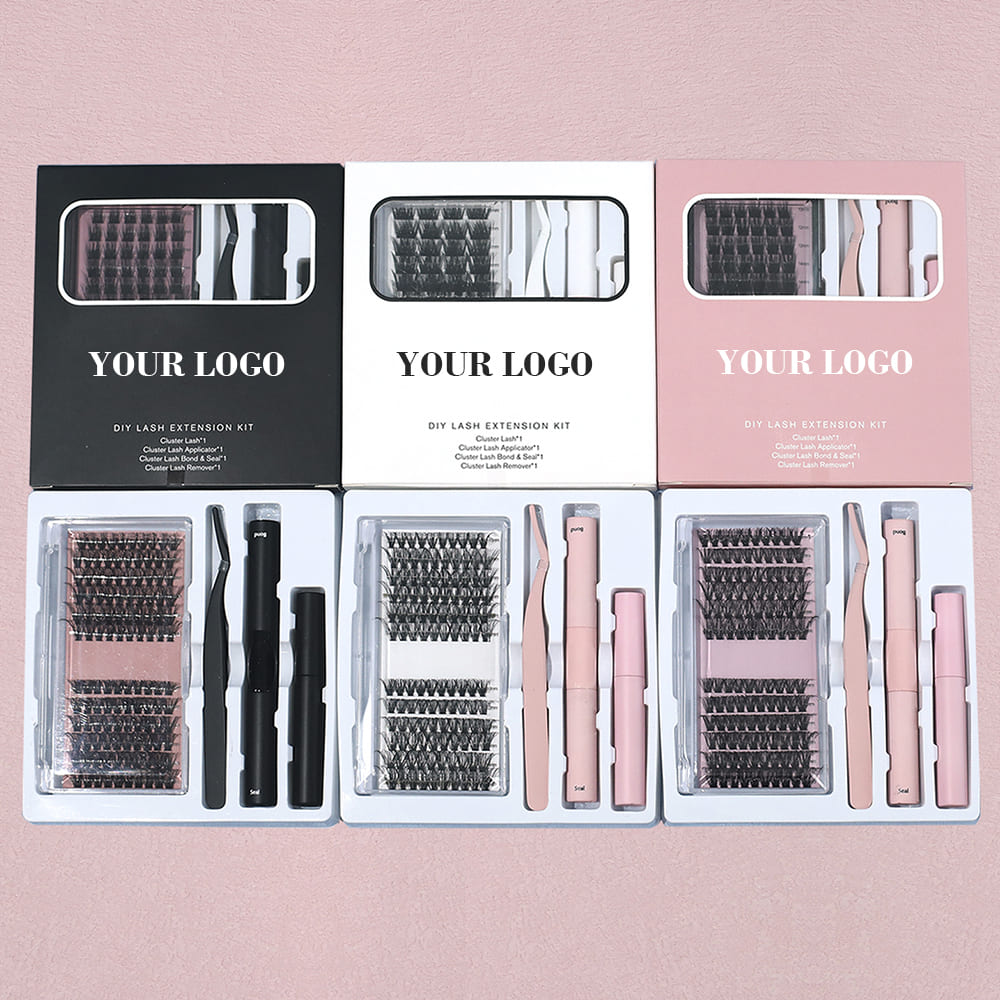
Step 8: Private label lash clusters—how to do it right
Private label lash clusters can build brand equity fast, but only if the supplier’s packaging and QC are strong.
What to request for private label builds
- Dielines for boxes and inserts (so your designer works accurately)
- Print samples or proofs (color matching is often inconsistent without it)
- Packaging material options (matte laminate, soft-touch, foil stamping)
- Barcode/SKU placement plan
Common private label mistakes to avoid
- Launching too many styles at once (inventory gets stuck)
- Skipping print proofs (colors shift, logos blur)
- Not confirming packaging dimensions (trays don’t fit, boxes crush in transit)
- No QC agreement for cosmetic packaging defects (scuffs, dents, misprints)
Private label is where a “good enough” vendor becomes a problem—so treat packaging QC as seriously as lash QC.
Step 9: Shipping times and returns policy—get it in writing
Quality doesn’t matter if stock arrives late. You need explicit shipping times and returns policy terms, not vague promises.
Shipping questions to ask
- What shipping methods do you offer (air/express/sea)?
- Typical delivery time to the U.S. (include production + transit)
- Do you provide DDP (delivered duty paid) options?
- What happens if customs delays occur—who owns the risk?
Returns and defects: define the rules
Your agreement should clarify:
- What qualifies as a defect (photos required, timeframe to report)
- Replacement vs refund vs credit note options
- Who pays reshipping costs for verified defects
- Whether partial refunds are offered for minor defects
Vendors who avoid these topics early often create issues later.
Step 10: How to avoid lash supplier scams (red flags you should never ignore)
The question how to avoid lash supplier scams is critical, especially when sourcing internationally.
Major red flags
- Prices that are dramatically below market with no explanation
- Refusal to send samples or insistence on large first orders
- “Factory” that can’t answer manufacturing questions
- Pressure tactics (“pay today or price doubles”)
- Only accepts irreversible payments with no paperwork
- Inconsistent company name across invoices, bank details, and email domain
- Stolen photos across multiple listings
Safer payment and process habits
- Start small with a sample + small bulk order
- Request a formal proforma invoice with full company details
- Use payment methods with some protection (varies by platform/region)
- Keep all terms in writing (email + invoice + order confirmation)
If something feels off, pause. A missed “deal” is cheaper than a failed container.
Step 11: Building a scorecard to compare wholesale lash vendors
When you’re choosing among wholesale lash vendors, a scorecard keeps you objective.
Suggested vendor scorecard categories (1–5 rating each)
- Product quality and consistency (from samples)
- Communication speed and clarity
- Transparency (factory info, QC process)
- Pricing and tier breaks
- MOQ flexibility
- Packaging capabilities (private label)
- Lead times (sample + bulk)
- Shipping options and reliability
- After-sales support and defect resolution
Add notes like “curl loosened after humidity test” or “band stiffness on 14–16 mm.” This prevents you from forgetting the details when multiple vendors follow up with similar offers.
Step 12: Ongoing quality control after you choose a supplier
Even reliable wholesale lash cluster vendors can drift over time due to new staff, raw material substitutions, or rushed production during peak seasons.
Simple ongoing QC system
- Inspect every shipment: random sampling by SKU and tray position
- Photograph and log defects with batch numbers
- Reorder the same SKU and compare to prior batch (curl/softness/band)
- Keep a “golden sample” tray as your reference standard
Set expectations with the vendor
- Agree on defect thresholds
- Ask for notification if materials change
- Request pre-shipment photos for large orders
This is how top brands maintain consistency while scaling.
Quick takeaway: the sourcing process that works
If you want a simple repeatable workflow for Finding Reliable Wholesale Lash Cluster Vendors, follow this order:
- Define specs and top SKUs
- Shortlist suppliers (factory/trader/distributor)
- Use a reliable lash vendor checklist
- Ask targeted questions on QC, MOQs, and logistics
- Place a wholesale lash sample order
- Run real tests (wear, humidity, shedding, packaging)
- Negotiate lash cluster bulk pricing + defect terms
- Confirm shipping times and returns policy in writing
- Start with a small bulk order, then scale
This approach helps you find wholesale lash clusters supplier partners you can trust—without relying on luck.
Conclusion: Choose vendors like you’re choosing a long-term business partner
The “best” supplier is the one that meets your quality bar, communicates clearly, and delivers consistently—month after month. When you evaluate lash cluster vendors wholesale, prioritize repeatability: stable materials, controlled processes, and clear accountability.
Explore UBLash for your lash cluster needs
If you’re ready to move from trial-and-error to a smoother sourcing experience, explore UBLash as a partner for lash cluster wholesale and product development. Whether you’re looking for dependable bulk lash clusters, guidance on private label lash clusters, or help navigating MOQ and packaging options, UBLash is worth considering as you build a reliable supply chain and grow your brand.