Skip to content
Stocking your lash business with the right supplies can make or break your success. Having a complete inventory ensures you never disappoint clients or miss sales opportunities.
A comprehensive wholesale lash supplies checklist should include individual extensions, adhesive systems, tools, safety products, aftercare items, and business supplies. Essential categories cover application materials, client comfort products, sanitation equipment, and professional tools for optimal service delivery.
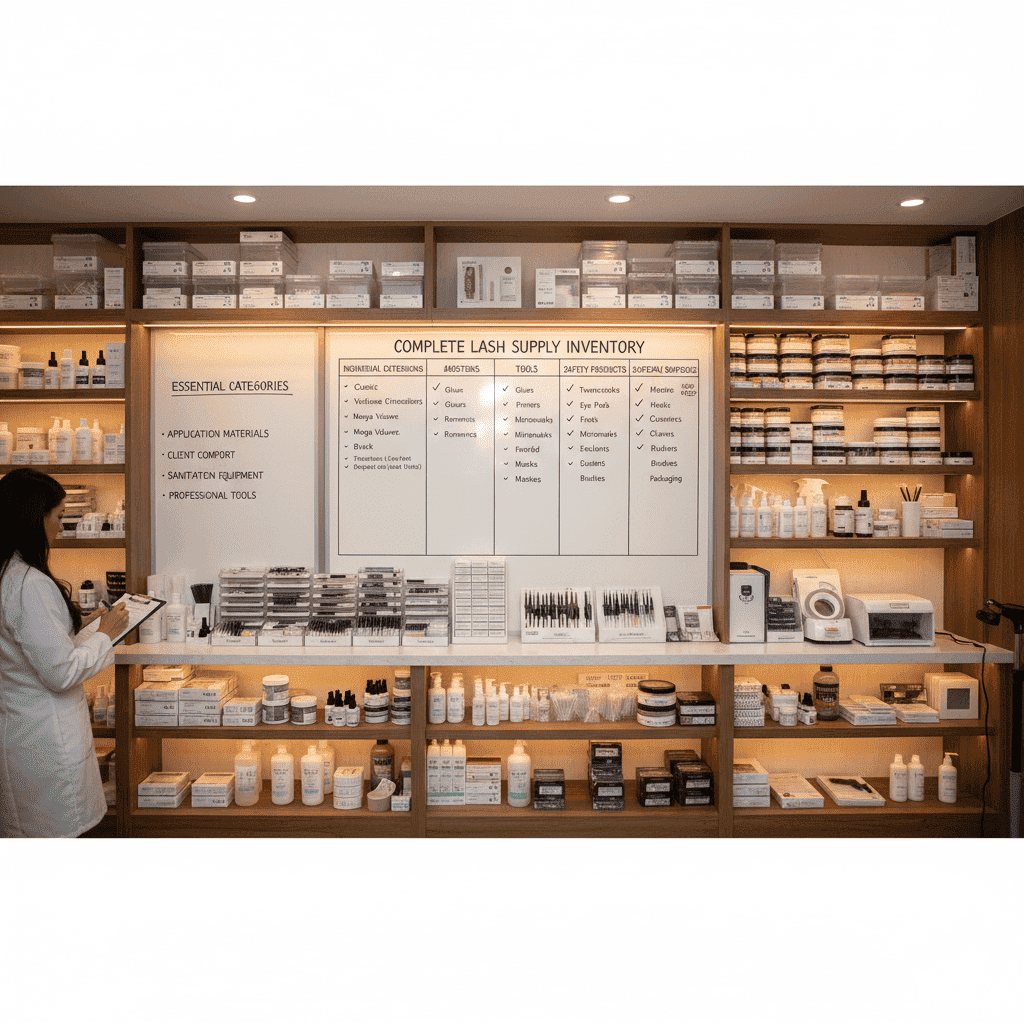
After supplying lash professionals worldwide for years, I’ve developed a proven system for inventory management. This checklist will help you build a complete supply chain that supports your business growth and client satisfaction.
What Are the Must-Have Lash Extension Products for Every Technician?
Building your core lash extension inventory starts with understanding which products are non-negotiable for professional service delivery.
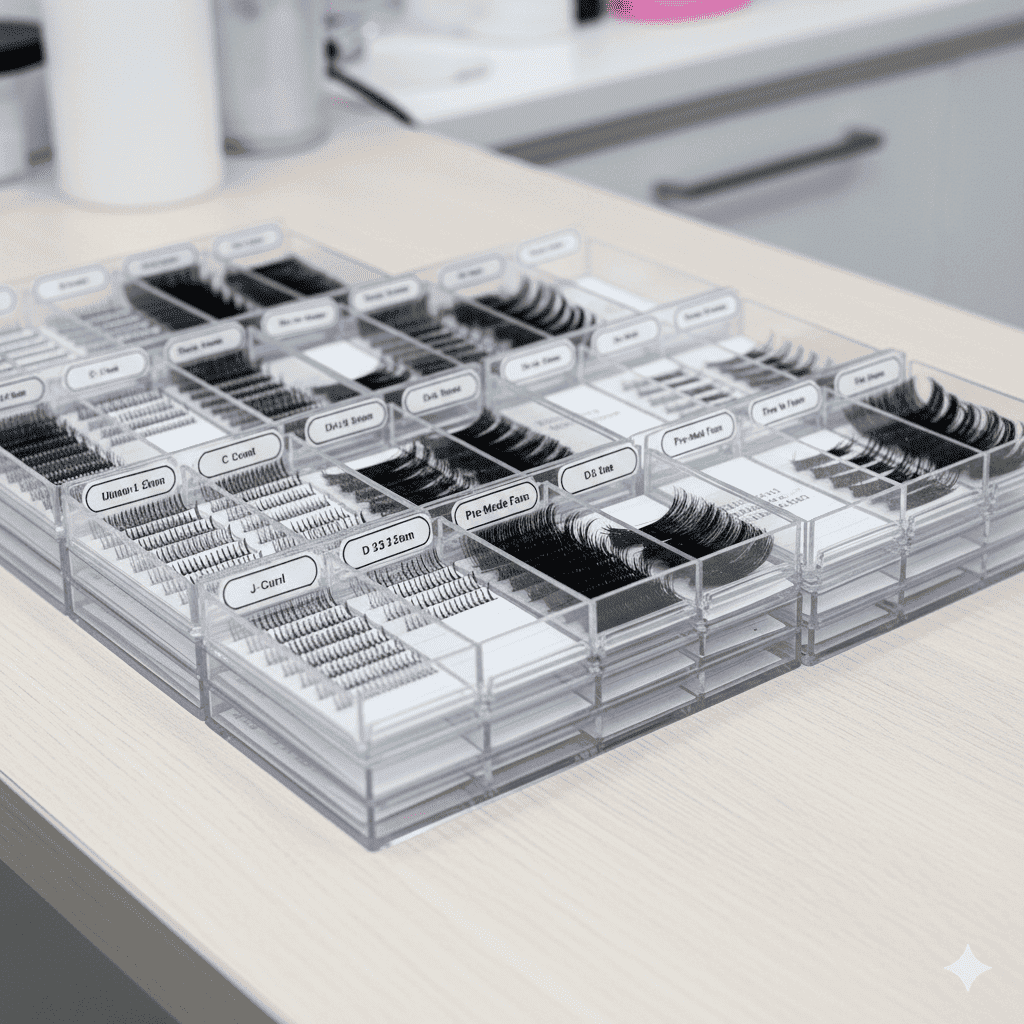
Essential lash extension products include individual extensions in multiple lengths and curls, volume fans, premade fans, and specialty lashes. Stock various diameters from 0.03mm to 0.25mm and curls including J, C, D, and L-curls to accommodate diverse client needs.
Core Lash Extension Inventory Breakdown
| Product Category | Essential Items | Sizing Variations | Material Options | Stocking Recommendations |
|---|---|---|---|---|
| Individual Extensions | Classic singles | 6mm-15mm range | Synthetic, silk, mink | High turnover items |
| Volume Lashes | 2D-20D fans | 0.05mm-0.07mm | PBT preferred | Medium stock levels |
| Premade Fans | Ready clusters | 3-10 lashes per fan | Various materials | Backup supply |
| Specialty Lashes | Colored, glitter | Mixed lengths | Theme-specific | Seasonal/event stock |
| Lash Diameters | 0.03mm-0.25mm | Fine to thick | Material dependent | Complete range |
| Curl Types | J, C, D, L-curls | Natural to dramatic | Client preference | Balanced inventory |
Your lash extension inventory forms the foundation of your service offerings. Individual extensions should be your primary stock, with classic singles ranging from 6mm to 15mm to accommodate natural lash mapping. Volume lashes are equally important, offering 2D to 20D fans for clients seeking dramatic results. The diameter selection should span from ultra-fine 0.03mm for natural looks to thick 0.25mm for bold statements. Curl variety is crucial – J-curls provide subtle lift for straight lashes, C-curls offer classic curvature, D-curls deliver dramatic upward sweep, and L-curls work well for hooded eyes. Material options include synthetic lashes for consistent quality, silk for softness, and mink for lightweight natural appearance. Premade fans serve as convenient backups for volume services or technicians still mastering manual fan creation. Specialty lashes like colored extensions, glitter accents, or themed designs should be stocked for holiday seasons or clients wanting unique looks. Inventory management should prioritize high-turnover items like common lengths (10mm-13mm) and popular curls (C-curl) while maintaining smaller quantities of specialty items. Regular inventory audits help identify usage patterns and optimize ordering schedules to prevent stockouts while minimizing excess inventory costs.
Which Adhesive Systems and Bonding Products Are Essential?
The adhesive system you choose directly impacts retention rates, client safety, and service quality. A complete adhesive inventory covers all application scenarios.
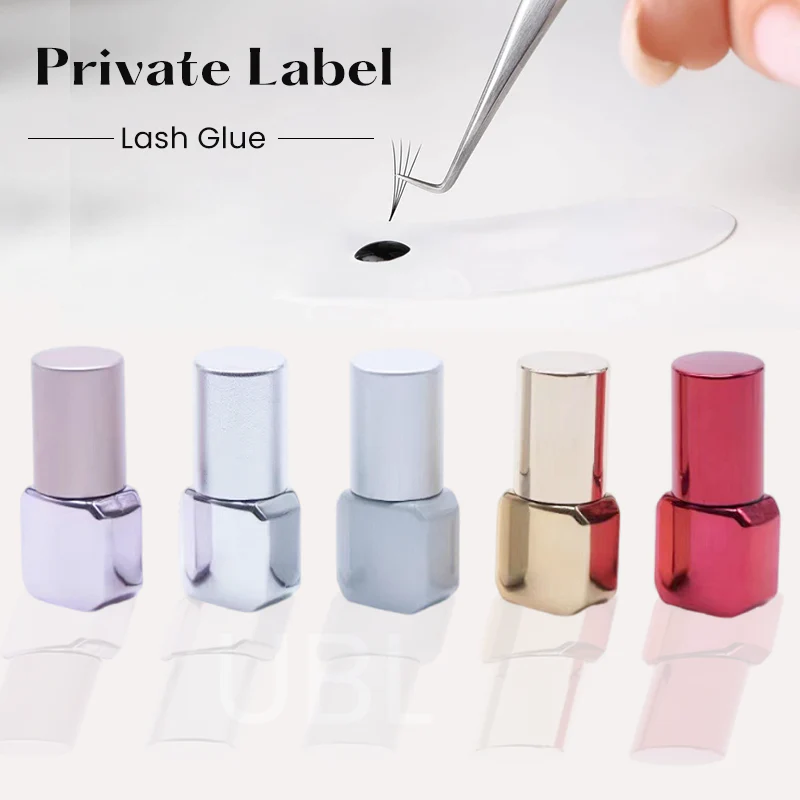
Essential adhesive systems include medical-grade cyanoacrylate glue, sensitive formula for allergic clients, fast and slow-dry options, primer for better bonding, and bonder for sealing. Stock various drying times from 1-3 seconds to 2-3 seconds for different skill levels.
Adhesive System Inventory Requirements
| Adhesive Type | Primary Use | Drying Time | Client Compatibility | Technician Skill Level |
|---|---|---|---|---|
| Medical-Grade Glue | Standard application | 1-2 seconds | Most clients | All levels |
| Sensitive Formula | Allergic clients | 2-3 seconds | Sensitive eyes | Beginner-friendly |
| Fast-Dry Adhesive | Experienced techs | 1 second | Low humidity | Advanced only |
| Slow-Dry Adhesive | Beginners | 3-4 seconds | Learning curve | Training purposes |
| Primer | Bond enhancement | Pre-application | All clients | Essential prep |
| Bonder | Sealant | Post-application | Retention boost | Finish step |
Your adhesive inventory represents the most critical component of lash service quality. Medical-grade cyanoacrylate glue should be your workhorse product, offering reliable bonding for most clients with 1-2 second drying time. Always have sensitive formula adhesive available for clients with allergies or sensitive eyes – these typically have longer 2-3 second drying times and reduced fume emission. Fast-dry adhesives (1 second) suit experienced technicians working in low-humidity environments but require precision application skills. Slow-dry options (3-4 seconds) are ideal for beginners learning proper isolation techniques. Primer is non-negotiable – it cleanses natural lashes of oils and creates an optimal bonding surface, significantly improving retention rates. Bonder serves as the final step, sealing the adhesive bond and protecting against moisture during the curing process. Storage conditions matter immensely – adhesives must be kept in cool, dark places and used within their expiration dates to maintain effectiveness. Always have backup bottles of your primary adhesive and keep track of batch numbers for quality control. Consider stocking nano mister systems for humid climates where adhesive curing can be challenging. Your adhesive selection should also include remover products – both gel and cream formulations for safe extension removal without damaging natural lashes.
What Tools and Equipment Complete a Professional Lash Station?
The right tools separate amateur applications from professional results. Your toolkit should support precision, comfort, and efficiency.
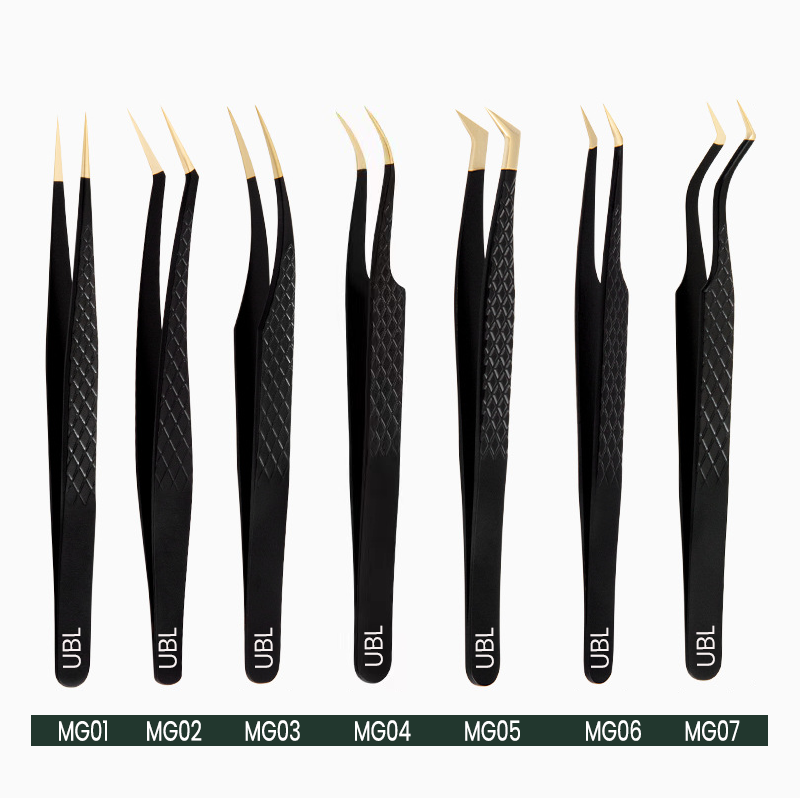
Essential lash tools include precision tweezers, magnification lamps, comfortable client beds, organizational systems, and sterilization equipment. Must-have tweezers include isolation, volume, and classic application types with proper grip and tip alignment.
Professional Lash Tool Inventory Checklist
| Tool Category | Essential Items | Technical Specifications | Quality Standards | Maintenance Requirements |
|---|---|---|---|---|
| Tweezers | Isolation, volume | Angled tips, anti-slip | Surgical steel | Regular sharpening |
| Magnification | LED lamp | 3x-5x magnification | Adjustable arms | Bulb replacement |
| Client Comfort | Adjustable bed | Memory foam padding | Hydraulic lift | Sanitation between clients |
| Organization | Lash trays | Compartmentalized | Anti-static | Weekly cleaning |
| Sterilization | UV cabinet | Timer settings | Medical grade | Daily operation |
| Application Aids | Microbrushes, tape | Various sizes | Medical quality | Disposable items |
A professional lash station requires investment in quality tools that enhance precision and client experience. Tweezers form your primary working tools – isolation tweezers with fine, angled tips for separating natural lashes, volume tweezers for fan creation, and classic application tweezers for placement precision. Each should be made from high-quality surgical steel with proper weight balance and anti-slip grip surfaces. Magnification is non-negotiable – LED lamps with 3x to 5x magnification and adjustable arms allow detailed work without eye strain. Client comfort equipment includes hydraulic adjustable beds with memory foam padding and proper neck support for extended service times. Organizational systems should include anti-static lash trays with clear compartments for easy product identification and access. Sterilization equipment is mandatory for professional standards – UV cabinets that accommodate tools between clients with proper timer functions ensure complete sanitation. Additional application aids include microbrushes for precise adhesive application, medical tape for securing lower lashes, and gel pads for eye protection. Tool maintenance routines should include regular sharpening of tweezers, replacement of lamp bulbs, and systematic cleaning of all non-disposable items. Invest in tool organizers that keep implements separated and protected from damage. Consider ergonomic enhancements like wrist supports and adjustable stools to prevent technician fatigue during long application sessions.
How to Build a Complete Sanitation and Safety Supply Kit?
Client safety and infection prevention should be your top priority. A comprehensive sanitation kit protects both clients and your business reputation.
Essential sanitation supplies include medical-grade disinfectants, sterilization equipment, disposable applicators, personal protective equipment, and client safety products. Must-have items cover surface cleaning, tool sterilization, and cross-contamination prevention.
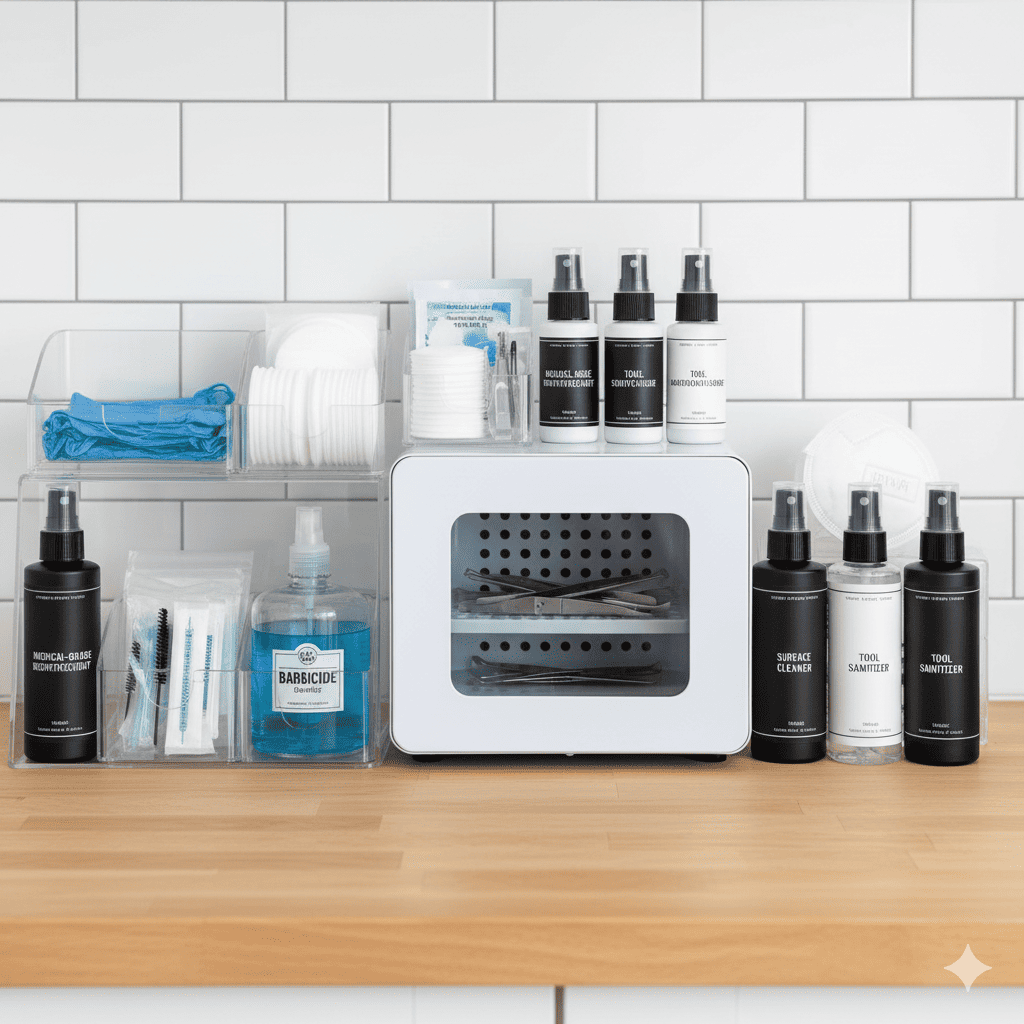
Sanitation and Safety Supply Requirements
| Safety Category | Essential Products | Usage Frequency | Regulatory Standards | Storage Conditions |
|---|---|---|---|---|
| Disinfectants | Hospital-grade | Between clients | EPA-approved | Cool, dry storage |
| Sterilization | UV cabinets, autoclave | Continuous use | Medical device standards | Accessible location |
| Disposable Items | Microbrushes, pads | Single-use only | Medical grade | Bulk purchasing |
| PPE | Gloves, masks, eyewear | Every client | OSHA compliance | Convenient storage |
| Surface Cleaners | Non-porous surfaces | Daily cleaning | Broad-spectrum | Labeled containers |
| Emergency Supplies | Eye wash, first aid | As needed | OSHA requirements | Visible location |
Building a comprehensive sanitation system requires understanding cross-contamination risks and regulatory requirements. Medical-grade disinfectants should be EPA-approved for hospital use, effective against bacteria, viruses, and fungi. These must be used on all surfaces between clients, with proper contact time observed. Sterilization equipment includes UV cabinets for tool sanitation between clients and potentially autoclave systems for deeper sterilization if offering other beauty services. Disposable items are crucial for preventing cross-contamination – microbrushes, gel pads, mascara wands, and under-eye patches should never be reused. Personal protective equipment (PPE) includes non-latex gloves that are changed between clients, masks for fume reduction, and safety eyewear for adhesive protection. Surface cleaners should be specifically formulated for beauty industry surfaces, effectively removing adhesive residue and disinfecting simultaneously. Emergency supplies are non-negotiable – eyewash stations must be readily accessible for adhesive accidents, and basic first aid kits should address minor cuts or reactions. Documentation of sanitation procedures helps maintain consistency and demonstrates professionalism to health inspectors. Consider implementing a color-coding system for tools used on different clients if multiple technicians work simultaneously. Storage organization should separate clean and used items clearly, with labeled containers preventing mix-ups. Regular audits of expiration dates on disinfectants and replacement of worn PPE ensure ongoing compliance with safety standards.
What Aftercare Products Should You Offer Clients?
Client retention and lash longevity depend heavily on proper aftercare. Offering retail products creates additional revenue streams while ensuring optimal results.
Essential aftercare products include lash cleansers, growth serums, sealing products, application tools, and maintenance kits. These items help clients maintain extensions between appointments and improve overall satisfaction.

Client Aftercare Product Inventory
| Aftercare Category | Product Types | Client Benefits | Usage Instructions | Pricing Strategy |
|---|---|---|---|---|
| Cleansing | Foam, oil-free | Extension longevity | Daily use | Starter kits |
| Growth Serums | Peptide-based | Natural lash health | Nightly application | Premium pricing |
| Sealing Products | Bond enhancers | Retention improvement | 24-hour post-application | Add-on service |
| Application Tools | Brushes, spoolies | Proper maintenance | Included with purchase | Value bundles |
| Maintenance Kits | Complete sets | Comprehensive care | Multi-product systems | Subscription options |
| Specialty Items | Lash lifts, tints | Enhanced results | Professional use | Service upgrades |
Aftercare products represent both a service enhancement and revenue opportunity. Lash cleansers should be oil-free, gentle formulas specifically designed for extension maintenance, available in foam or liquid formulations. Growth serums containing peptides, biotin, and natural extracts help clients maintain healthy natural lashes underneath extensions, reducing breakage and improving retention. Sealing products applied within 24 hours of service can significantly extend lash lifespan by protecting the adhesive bond from moisture and oils. Application tools like specialty brushes and spoolies help clients properly clean and style their lashes daily. Maintenance kits bundling multiple products offer convenience and ensure clients have everything needed for proper care. Specialty items like lash lift solutions or tinting products can be offered as service enhancements or retail purchases for at-home use between appointments. Product education is crucial – include detailed usage instructions and demonstrate proper techniques during client consultations. Consider creating tiered product lines with entry-level, professional, and premium options to accommodate different budgets. Packaging should be aesthetically pleasing and functional, with clear labeling and instructions. Implement a system for tracking which products work best with your lash systems and gather client feedback to refine your offerings. Aftercare products not only improve client results but also build loyalty and create recurring revenue streams between appointment-based services.
How to Manage Inventory and Supplier Relationships Effectively?
Efficient inventory management prevents stockouts, reduces waste, and maintains cash flow. Building strong supplier relationships ensures consistent quality and reliable delivery.
Effective inventory management requires tracking systems, par level setting, supplier diversification, quality control procedures, and contingency planning. Strong supplier relationships depend on clear communication, consistent ordering, and mutual growth opportunities.
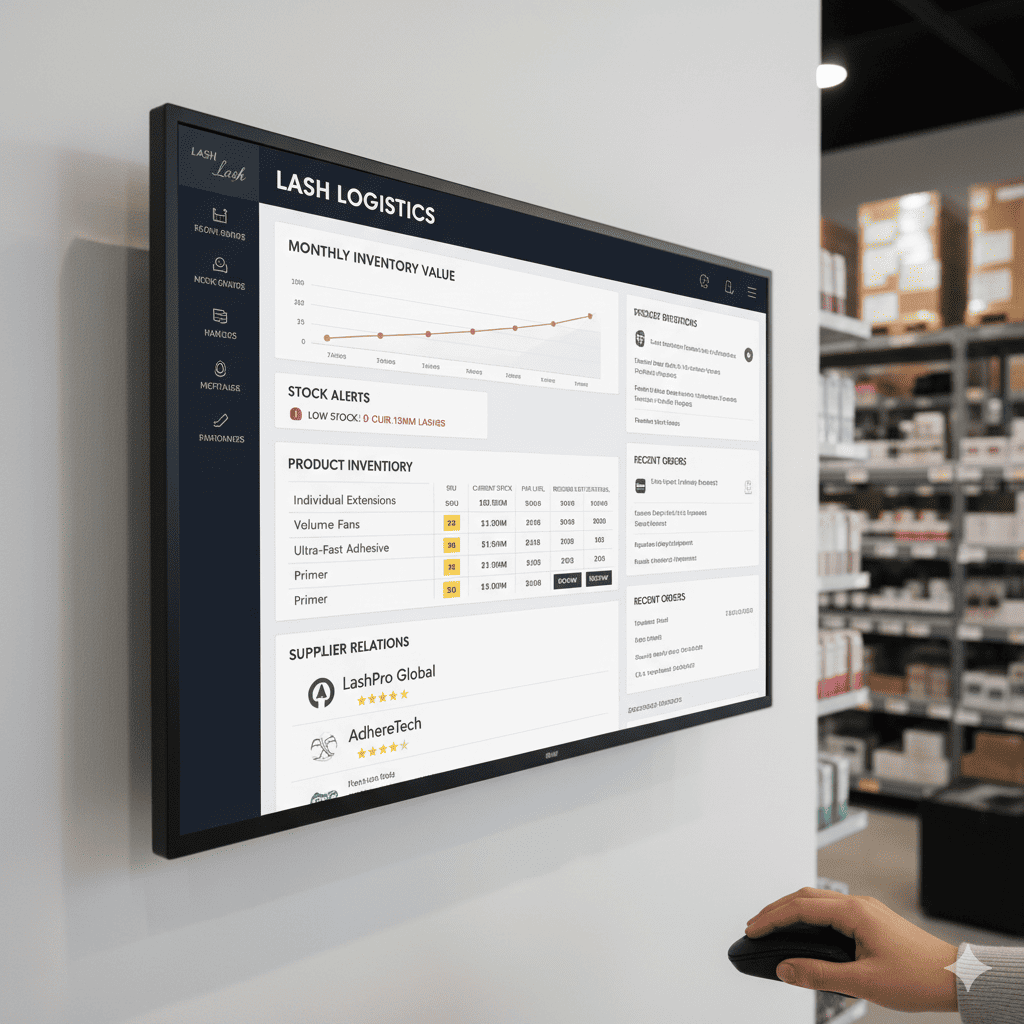
Inventory Management and Supplier Strategy
| Management Aspect | Key Strategies | Implementation Tools | Performance Metrics | Risk Mitigation |
|---|---|---|---|---|
| Tracking Systems | Digital logs, barcodes | Inventory software | Stock turnover rate | Real-time updates |
| Par Levels | Usage-based minimums | Historical data | Reorder points | Buffer stock |
| Supplier Relations | Multiple sources | Communication protocols | Delivery reliability | Backup suppliers |
| Quality Control | Batch testing | Inspection procedures | Defect rates | Return policies |
| Cost Management | Bulk purchasing | Price negotiation | Cost per unit | Payment terms |
| Contingency Planning | Emergency stock | Crisis protocols | Recovery time | Alternative sources |
Implementing robust inventory management starts with tracking systems that provide real-time visibility into stock levels. Digital inventory software with barcode scanning capabilities streamlines counting and reordering processes. Establish par levels based on historical usage patterns, factoring in lead times from suppliers and seasonal fluctuations. Maintain buffer stock for high-turnover items like adhesive and popular lash styles to prevent service interruptions. Supplier relationships should be cultivated with clear communication channels and consistent ordering patterns that demonstrate reliability. Diversify your supplier base to mitigate risks from production delays or quality issues with any single source. Implement rigorous quality control procedures including batch testing of adhesives and visual inspections of lash extensions upon receipt. Cost management strategies include negotiating volume discounts, consolidating shipments to reduce shipping costs, and taking advantage of seasonal promotions. Develop contingency plans for supply chain disruptions, including identifying alternative suppliers for critical items and maintaining emergency stock levels for essential products. Regular supplier performance reviews help identify opportunities for improvement and strengthen partnerships. Consider implementing just-in-time ordering for perishable items like adhesive while maintaining larger safety stocks for stable products like tools and equipment. Effective inventory management balances the costs of carrying inventory against the risks of stockouts, optimizing both service quality and financial performance.
Conclusion
A complete wholesale lash supply checklist ensures professional service delivery, client satisfaction, and business growth through proper inventory management and supplier relationships.