Skip to content
Waking up with a painful bump on your eyelid can be alarming. Is it a simple stye or something more complicated like an ingrown eyelash? Knowing the difference is crucial for proper treatment.
A stye is a bacterial infection of oil glands causing a red, painful lump on the eyelid margin. An ingrown eyelash grows improperly into the skin, creating irritation and small bumps. Styes require warm compresses and may need antibiotics, while ingrown lashes need careful removal.
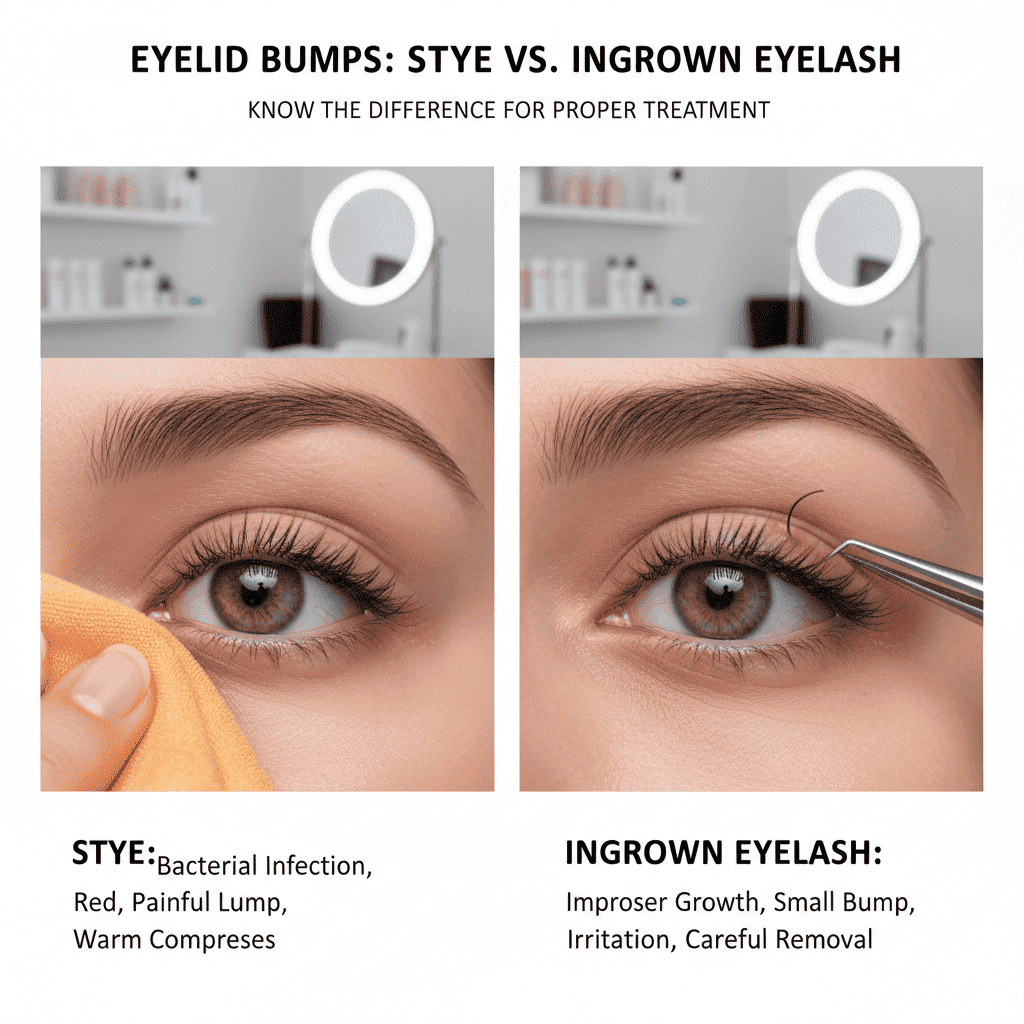
As someone who works closely with eye beauty products daily, I’ve helped many clients navigate these common eyelid issues. Understanding the distinction prevents misdiagnosis and ensures you get the right treatment quickly.
What Exactly Is a Stye and How Does It Form?
A stye, medically known as a hordeolum, is an eye infection that can disrupt your daily comfort and appearance. It’s more than just a cosmetic concern.
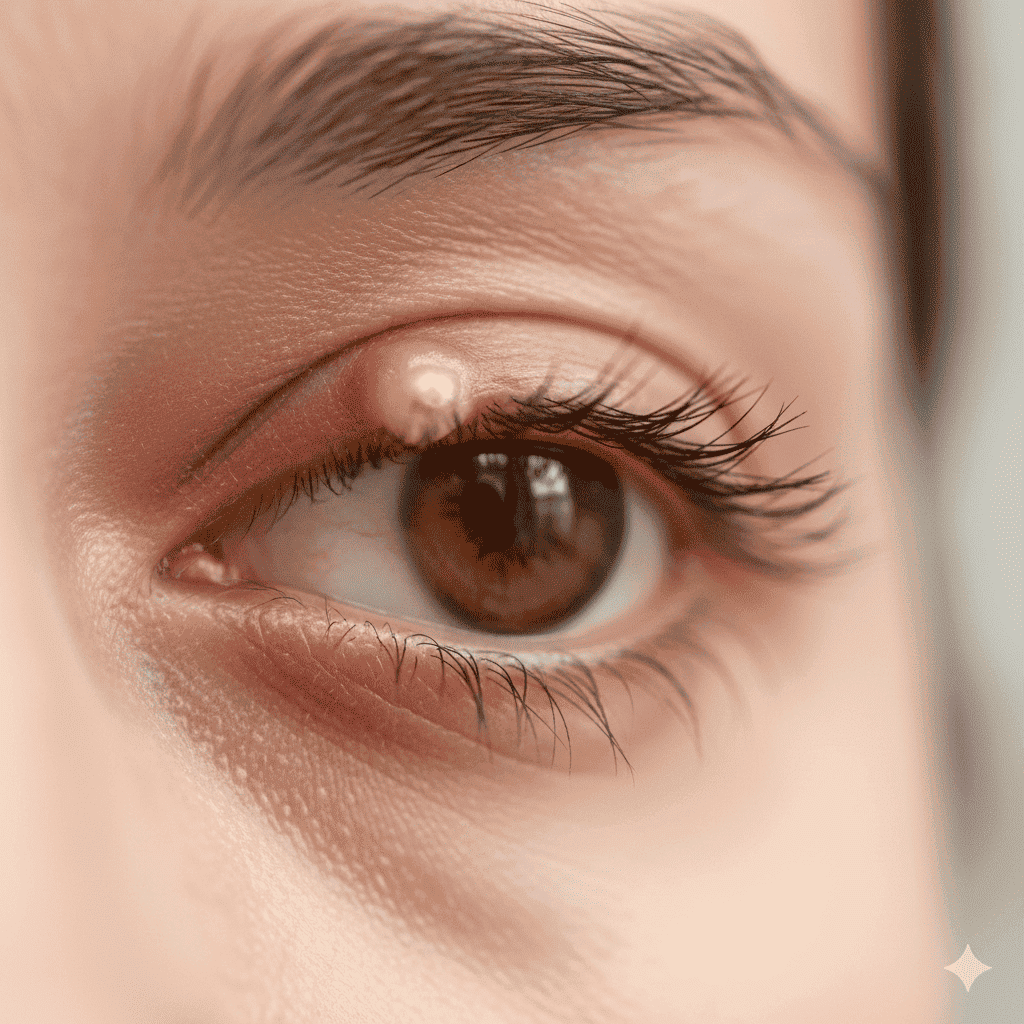
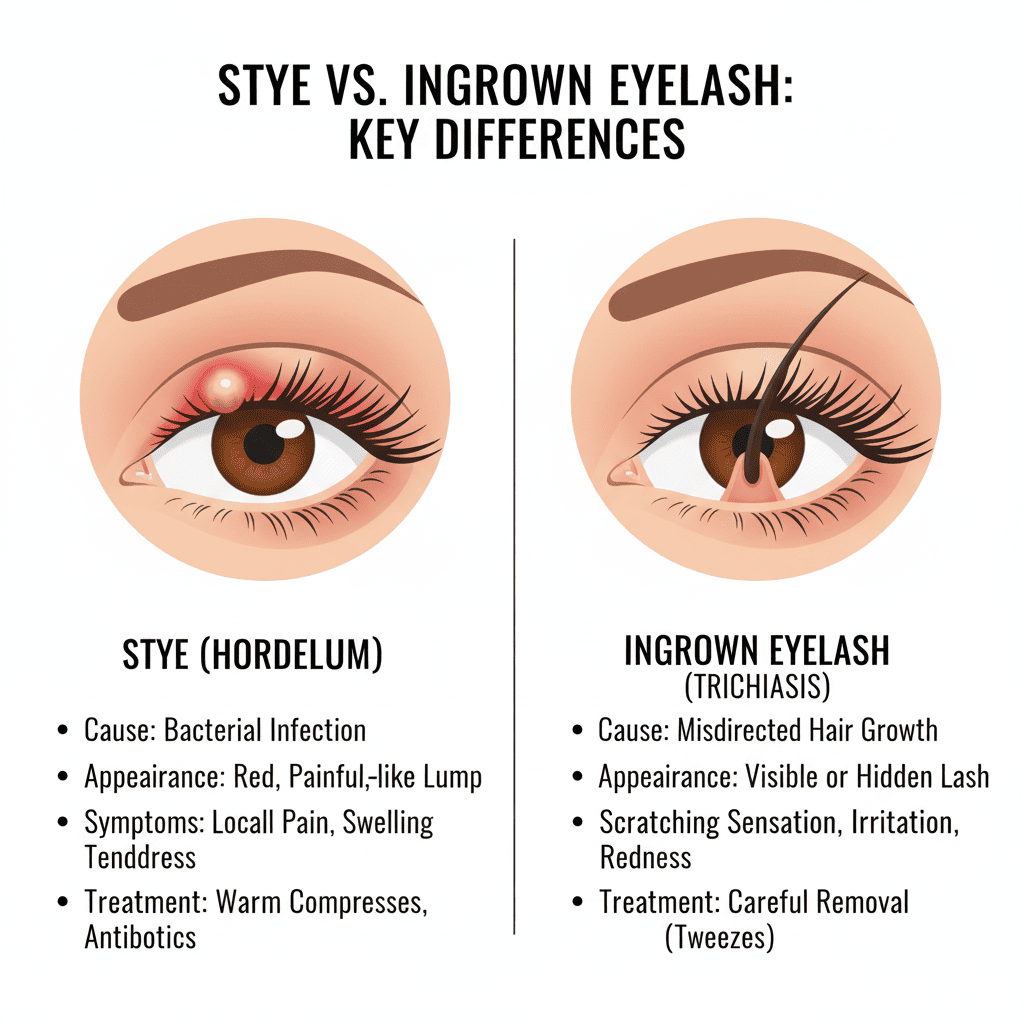
A stye is a bacterial infection that develops in the oil glands of your eyelid. It appears as a red, painful bump resembling a pimple, typically filled with pus. Styes form when bacteria clog the gland openings.
Understanding Stye Development and Types
| Stye Type | Location | Primary Cause | Symptoms | Duration |
|---|---|---|---|---|
| External Hordeolum | Eyelash follicle base | Staphylococcus bacteria | Painful red bump, pus head | 3-7 days |
| Internal Hordeolum | Meibomian glands | Clogged oil glands | Swollen eyelid, tenderness | 5-10 days |
| Acute Infection | Multiple glands | Poor hygiene | Multiple bumps, severe pain | 7-14 days |
| Chronic Stye | Recurrent | Underlying conditions | Frequent recurrence | Varies |
Styes begin when bacteria, usually Staphylococcus aureus, enter the small oil glands along your eyelid margins. These bacteria thrive in the warm, moist environment around our eyes. External styes develop at the base of eyelashes where the hair follicles connect to oil glands. They typically start as a small, tender spot that gradually swells and forms a visible pus-filled head. Internal styes occur deeper within the eyelid, affecting the meibomian glands that produce the oily layer of your tears. These are often more painful and may not show a visible pus head since they’re located inside the eyelid tissue. The infection causes inflammation as your immune system responds to the bacterial invasion. This results in the characteristic redness, swelling, and pain that make styes so uncomfortable. Certain factors increase stye risk, including poor eyelid hygiene, using expired eye makeup, rubbing eyes with dirty hands, and conditions like blepharitis (chronic eyelid inflammation). Styes are contagious through direct contact, so it’s crucial to avoid touching the affected eye and then touching other surfaces or people. Most styes resolve on their own within a week, but proper treatment can speed recovery and prevent complications like the infection spreading to other eye structures.
How Do You Identify an Ingrown Eyelash?
Ingrown eyelashes, medically called trichiasis, create a different set of challenges that require careful management. They’re often mistaken for styes but have distinct characteristics.
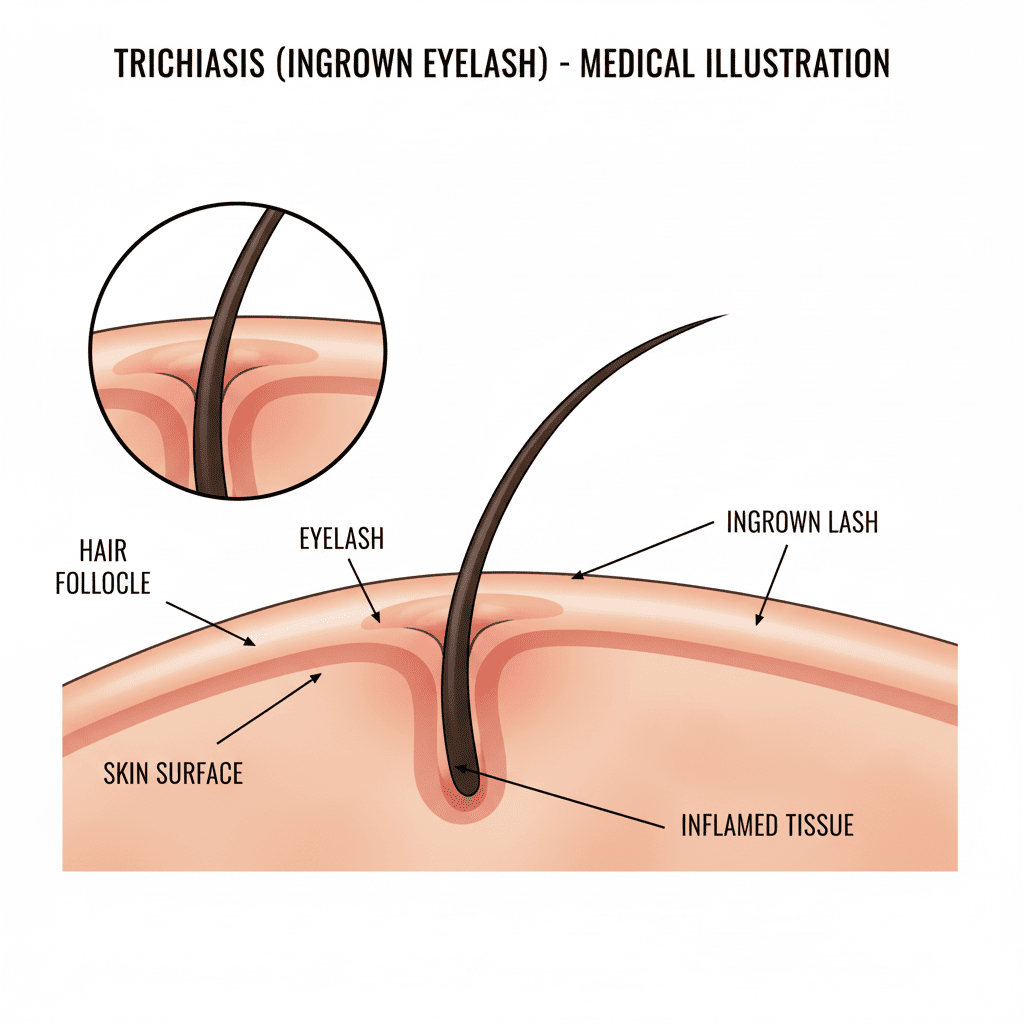
An ingrown eyelash occurs when an eyelash grows inward toward the eye instead of outward. It appears as a small, often painful bump with the lash embedded in the skin. The lash may be visible or hidden beneath the surface.
Ingrown Eyelash Identification and Complications
| Identification Factor | Stye | Ingrown Eyelash | Key Differences | Risk Level |
|---|---|---|---|---|
| Pain Type | Throbbing, generalized | Sharp, localized | Ingrown causes pinpoint pain | Moderate |
| Appearance | Red swollen bump | Small bump with lash visible | Lash presence distinguishes | Low to moderate |
| Location | Eyelid margin | Along lash line | Both affect edges differently | Varies |
| Cause | Bacterial infection | Misaligned growth | Different underlying causes | Moderate |
| Treatment Approach | Antibiotics, compresses | Lash removal | Different intervention needed | Moderate |
Ingrown eyelashes develop when the natural growth direction of an eyelash becomes disrupted. Instead of growing outward away from the eye, the lash curves backward and penetrates the skin of the eyelid. This creates constant irritation as the sharp tip of the lash rubs against the delicate eyelid tissue with every blink. The body responds by forming inflammation around the embedded lash, which appears as a small, red bump similar to a stye. However, close inspection often reveals the offending lash either visible at the surface or creating a tiny opening where it enters the skin. The pain from an ingrown eyelash tends to be more localized and sharp compared to the generalized throbbing of a stye. Patients often describe it as a "poking" or "scratching" sensation that worsens with blinking or eye movement. Ingrown lashes can result from various causes including eyelid trauma, chronic inflammation conditions like blepharitis, previous eye surgeries, or natural anatomical variations. In some cases, the condition becomes chronic with multiple lashes growing improperly, requiring more extensive treatment. Unlike styes, ingrown eyelashes aren’t infectious but can lead to secondary infections if the constant irritation breaks the skin barrier. The most significant risk is corneal damage if the misdirected lash constantly scratches the clear front surface of the eye, potentially causing abrasions, ulcers, or vision problems if left untreated.
What Are the Key Differences Between Styes and Ingrown Eyelashes?
Distinguishing between these two conditions is essential for effective treatment. While they share similar symptoms, their underlying causes and management differ significantly.
Styes are infectious bumps caused by bacteria, while ingrown eyelashes are structural issues where lashes grow improperly. Styes feel like painful pimples, while ingrown lashes cause scratching sensations with visible misdirected hairs.
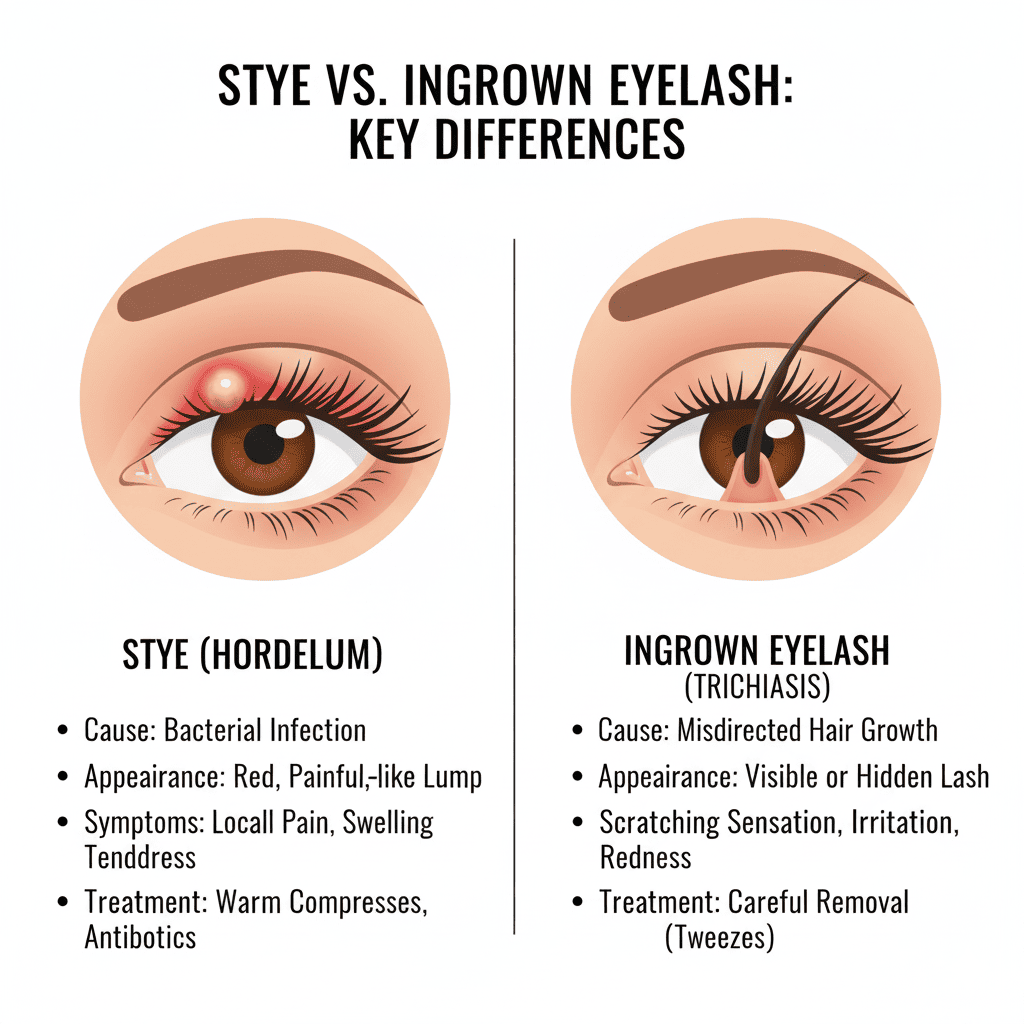
Comprehensive Comparison Table: Stye vs Ingrown Eyelash
| Feature | Stye | Ingrown Eyelash | Diagnostic Clues | Treatment Implications |
|---|---|---|---|---|
| Primary Cause | Bacterial infection | Misaligned hair growth | Infection vs mechanical issue | Antibiotics vs mechanical removal |
| Pain Quality | Throbbing, aching | Sharp, scratching | Inflammatory vs irritative pain | Different pain management |
| Visible Signs | Red pus-filled bump | Lash growing into skin | Pus presence vs hair visibility | Drainage vs extraction |
| Onset | Gradual (1-2 days) | Often sudden | Infection buildup vs immediate irritation | Prevention strategies differ |
| Contagious | Yes (bacterial) | No | Transmission risk assessment | Isolation precautions |
| Recurrence Pattern | With poor hygiene | Chronic condition | Hygiene-related vs anatomical | Lifestyle vs medical management |
The fundamental difference lies in their nature: styes are infectious conditions while ingrown eyelashes are mechanical problems. Styes develop when bacteria invade the oil glands of the eyelids, creating an abscess-like formation. The infection triggers an inflammatory response that produces the characteristic redness, swelling, and pus accumulation. In contrast, ingrown eyelashes result from the physical presence of a hair growing in the wrong direction, mechanically irritating the surrounding tissue. The pain characteristics provide important diagnostic clues. Stye pain tends to be more diffuse and throbbing, consistent with inflammatory processes. It often worsens as pus accumulates and pressure builds within the confined gland space. Ingrown eyelash pain is typically sharper and more localized, described as a constant scratching or poking sensation that correlates directly with eyelid movement and blinking. Visibility differences are crucial for identification. Styes appear as generalized swollen areas that may develop a visible yellow or white pus head at the surface. Ingrown eyelashes often show the misdirected hair itself, either visible at the skin surface or creating a small pore where it enters the skin. The eyelid may show subtle redness specifically around the embedded lash rather than generalized swelling. Contagion risk represents another key distinction. Styes can spread bacteria to other people or to the other eye through direct contact or contaminated items like towels and pillowcases. Ingrown eyelashes pose no contagion risk since they’re structural rather than infectious. Understanding these differences ensures you pursue the appropriate treatment rather than wasting time on ineffective remedies.
How Do You Properly Treat a Stye?
Effective stye treatment combines simple home remedies with knowing when to seek professional medical help. Quick intervention can prevent complications.
Treat styes with warm compresses applied for 10-15 minutes several times daily. Avoid squeezing or popping the stye. Use antibiotic ointments if prescribed. Most styes resolve within a week with proper care.
Stye Treatment Methods and Timelines
| Treatment Method | Application | Frequency | Duration | Effectiveness |
|---|---|---|---|---|
| Warm Compresses | Clean cloth, warm water | 4-5 times daily | 10-15 minutes | High for early stages |
| Eyelid Hygiene | Baby shampoo dilution | Twice daily | During outbreak | Prevents recurrence |
| Antibiotic Ointment | Prescription only | As directed | 7-10 days | For persistent cases |
| Pain Relief | OTC analgesics | As needed | Until resolved | Symptom management |
| Medical Drainage | Professional procedure | One time | Immediate | For large, persistent styes |
| Oral Antibiotics | Severe cases | Prescription | 7-14 days | Systemic infection |
The cornerstone of stye treatment is consistent warm compresses. The heat helps increase blood circulation to the area, promoting drainage of the blocked gland and accelerating the body’s natural healing process. Use a clean cloth soaked in warm (not hot) water and apply it gently to the closed eyelid for 10-15 minutes. Repeat this process 4-5 times throughout the day. The warmth encourages the stye to "come to a head" and drain naturally. Never attempt to squeeze or pop a stye, as this can push the infection deeper into the tissue or spread bacteria to other areas. Proper eyelid hygiene is equally important. Gently clean the eyelid margins with a diluted baby shampoo solution or commercial eyelid cleanser using a cotton swab or clean cloth. This removes debris and bacteria that could worsen the infection or cause recurrence. Avoid wearing eye makeup or contact lenses until the stye completely resolves, as these can introduce additional bacteria or irritate the sensitive area. Over-the-counter pain relievers like ibuprofen or acetaminophen can help manage discomfort while the stye heals. If the stye doesn’t improve within 48 hours of home treatment, becomes increasingly painful, affects vision, or spreads to other areas, consult a healthcare professional. They may prescribe antibiotic ointments or eye drops to combat the bacterial infection. In some cases, particularly with large internal styes that don’t drain on their own, a doctor may need to make a small incision to drain the pus. This minor procedure provides immediate relief and speeds recovery. For recurrent styes, your doctor might investigate underlying conditions like blepharitis that predispose you to these infections.
What’s the Correct Way to Manage an Ingrown Eyelash?
Ingrown eyelash management requires careful technique to avoid causing additional damage to the delicate eyelid tissues. Professional guidance is often recommended.
Manage ingrown eyelashes by having a professional safely remove the misdirected lash. Use warm compresses to soften the area first. Never pluck ingrown lashes yourself as this can cause deeper embedding or infection.
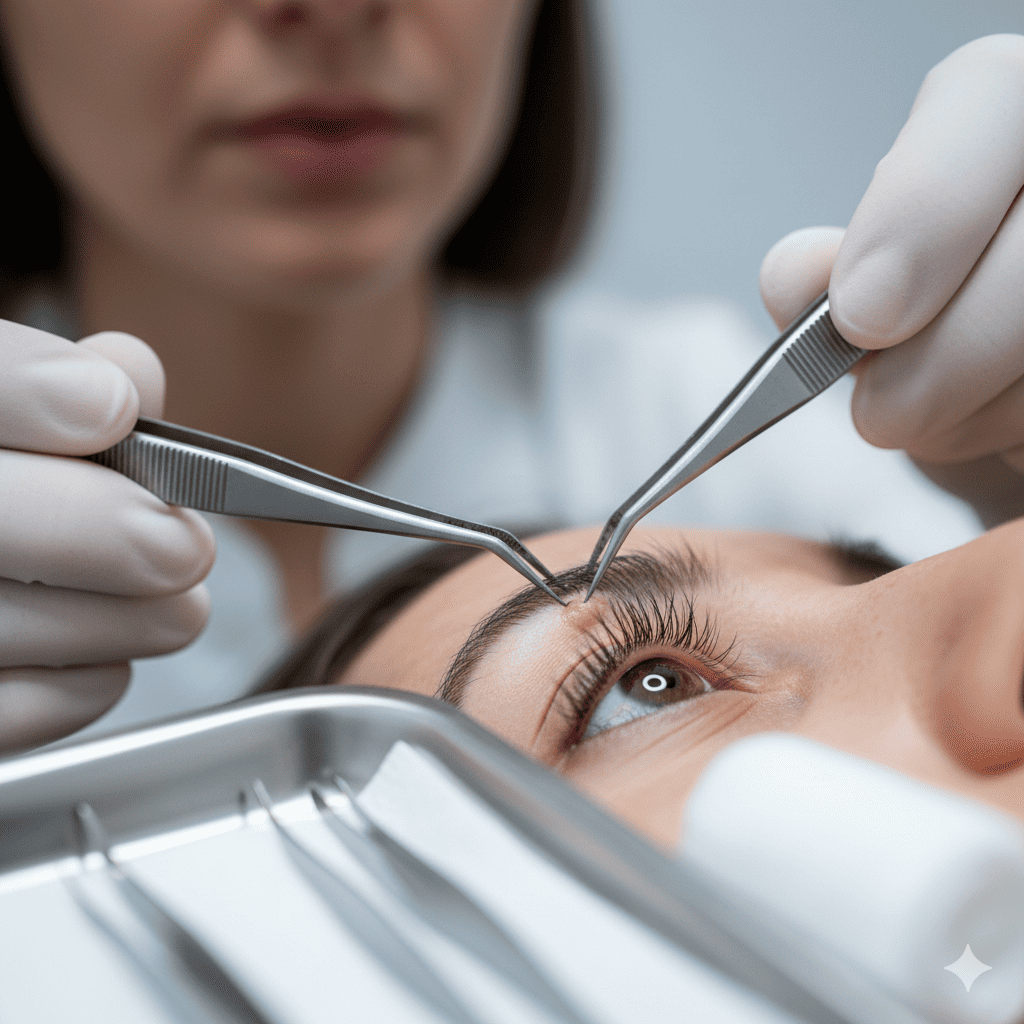
Ingrown Eyelash Management Strategies
| Management Approach | Procedure | Who Should Perform | Risks | When to Use |
|---|---|---|---|---|
| Professional Removal | Sterile extraction | Ophthalmologist | Low with expertise | First choice for safety |
| Warm Compresses | Soften tissue | Patient at home | Minimal | Before professional care |
| Lubricating Drops | Reduce irritation | Patient | None | Symptom relief |
| Epilation | Lash removal | Professional only | Moderate | Temporary solution |
| Electrolysis | Permanent removal | Specialist | Requires skill | Chronic recurrence |
| Surgery | Follicle ablation | Ophthalmologist | Surgical risks | Severe cases |
The safest approach for ingrown eyelash management begins with consulting an eye care professional. They have the proper tools and expertise to remove the misdirected lash without causing additional trauma to the eyelid. Before professional treatment, you can apply warm compresses to soften the skin around the embedded lash, which may help it emerge closer to the surface naturally. Lubricating eye drops or artificial tears can provide temporary relief from the scratching sensation by creating a protective layer over the eye surface. However, never attempt to pluck an ingrown eyelash yourself. DIY removal risks breaking the lash below the skin surface, causing it to become more deeply embedded. It can also introduce bacteria into the skin, leading to infection. Improper technique may damage the hair follicle, causing abnormal regrowth patterns or permanent lash loss. For temporary relief until you can see a professional, your doctor might recommend carefully trimming the visible portion of the misdirected lash with small, sterilized scissors. This reduces the scratching without removing the root. For recurrent ingrown eyelashes, more permanent solutions exist. Electrolysis uses electrical current to destroy the hair follicle permanently, preventing regrowth. Cryotherapy freezes the follicles, while laser treatments target the pigment in hair follicles to disable them. Surgical procedures like follicle ablation may be necessary for severe cases with multiple misdirected lashes. These interventions require specialized equipment and should only be performed by qualified eye specialists. The choice of treatment depends on the severity of the condition, the number of affected lashes, and whether the problem is likely to recur.
When Should You See a Doctor for Eye Bump Concerns?
Knowing when professional medical attention is necessary prevents minor issues from becoming serious problems. Some symptoms demand immediate evaluation.
See a doctor if eye pain is severe, vision changes occur, the bump grows rapidly, or symptoms persist beyond one week. Fever, spreading redness, or multiple bumps also warrant prompt medical evaluation.
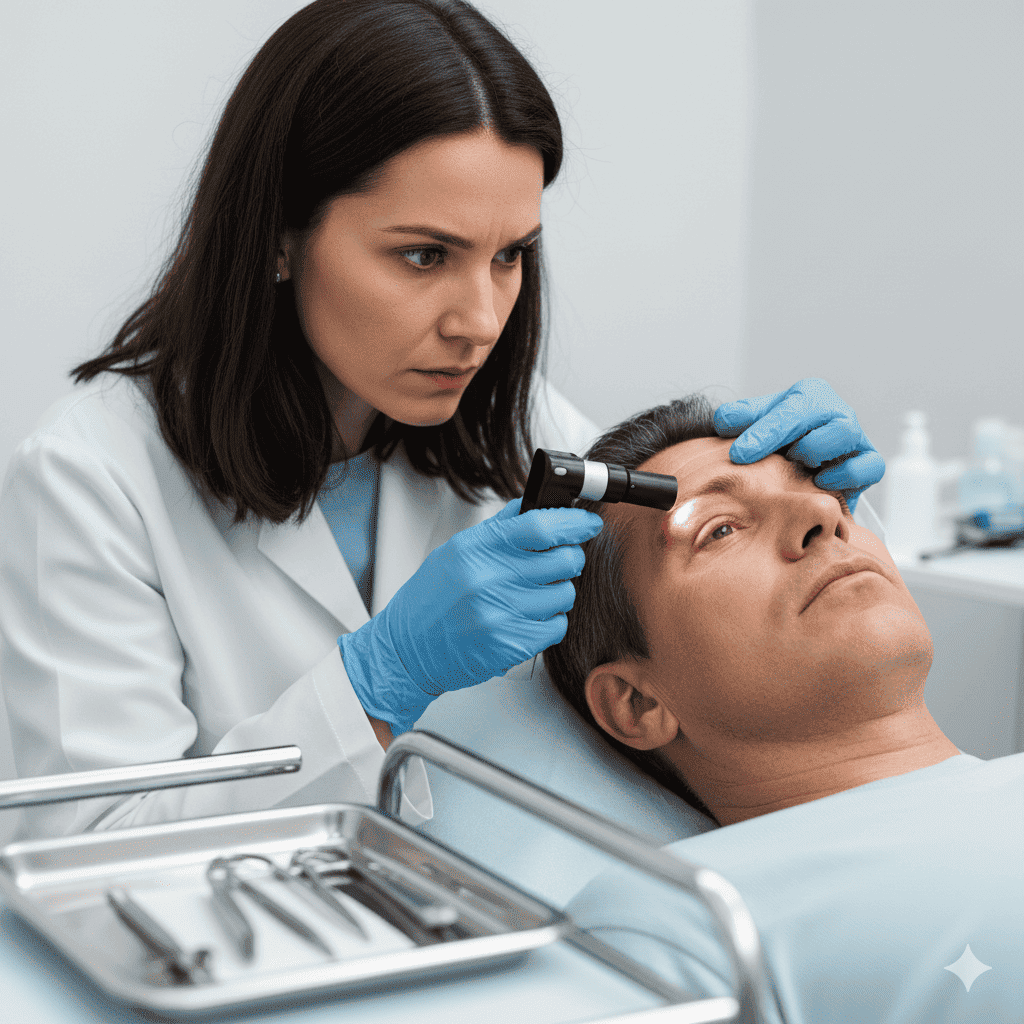
Warning Signs Requiring Medical Attention
| Symptom | Urgency Level | Potential Concerns | Recommended Action | Timeframe |
|---|---|---|---|---|
| Vision Changes | Emergency | Corneal damage | Immediate care | Within hours |
| Severe Pain | Urgent | Advanced infection | Same-day evaluation | Within 24 hours |
| Fever | Urgent | Systemic infection | Medical assessment | Within 24 hours |
| Spreading Redness | Urgent | Cellulitis | Prompt care | Within 48 hours |
| No Improvement | Routine | Incorrect diagnosis | Schedule appointment | After 7 days |
| Recurrent Issues | Routine | Underlying condition | Comprehensive eval | When pattern emerges |
Certain symptoms indicate that your eyelid bump requires professional medical evaluation rather than home treatment. Vision changes represent the most urgent warning sign. If you experience blurred vision, double vision, or increased sensitivity to light, seek immediate care as these may indicate that the condition is affecting your cornea or other eye structures. Severe pain that interferes with normal activities or sleep warrants prompt attention, as it may signal a more advanced infection or abscess requiring medical intervention. The development of fever suggests that the infection may be spreading beyond the localized eyelid area, potentially becoming systemic. This requires medical assessment to determine if oral antibiotics or other treatments are necessary. Spreading redness that extends beyond the immediate bump area toward the cheek or forehead may indicate cellulitis, a serious skin infection that can have dangerous complications if untreated. If your symptoms show no improvement after 7 days of consistent home treatment, schedule an appointment with your doctor. The bump might not be a simple stye or could require different treatment approaches. Rapid growth of the bump, especially if it becomes large enough to interfere with eyelid function or eye closure, needs professional evaluation. Multiple bumps appearing simultaneously or recurrent issues happening frequently suggest an underlying condition like chronic blepharitis, rosacea, or other dermatological issues that require comprehensive management rather than spot treatment. People with compromised immune systems, diabetes, or other health conditions that affect healing should consult their doctor sooner rather than later for any eye concerns. When in doubt, it’s always better to err on the side of caution with eye health issues.
How Can You Prevent Styes and Ingrown Eyelashes?
Prevention strategies differ for these two conditions but share the common thread of good eyelid hygiene and careful eye care practices.
Prevent styes with strict eyelid hygiene, avoiding eye rubbing, and replacing eye makeup regularly. Prevent ingrown eyelashes by proper lash care, avoiding trauma, and managing underlying eyelid conditions.
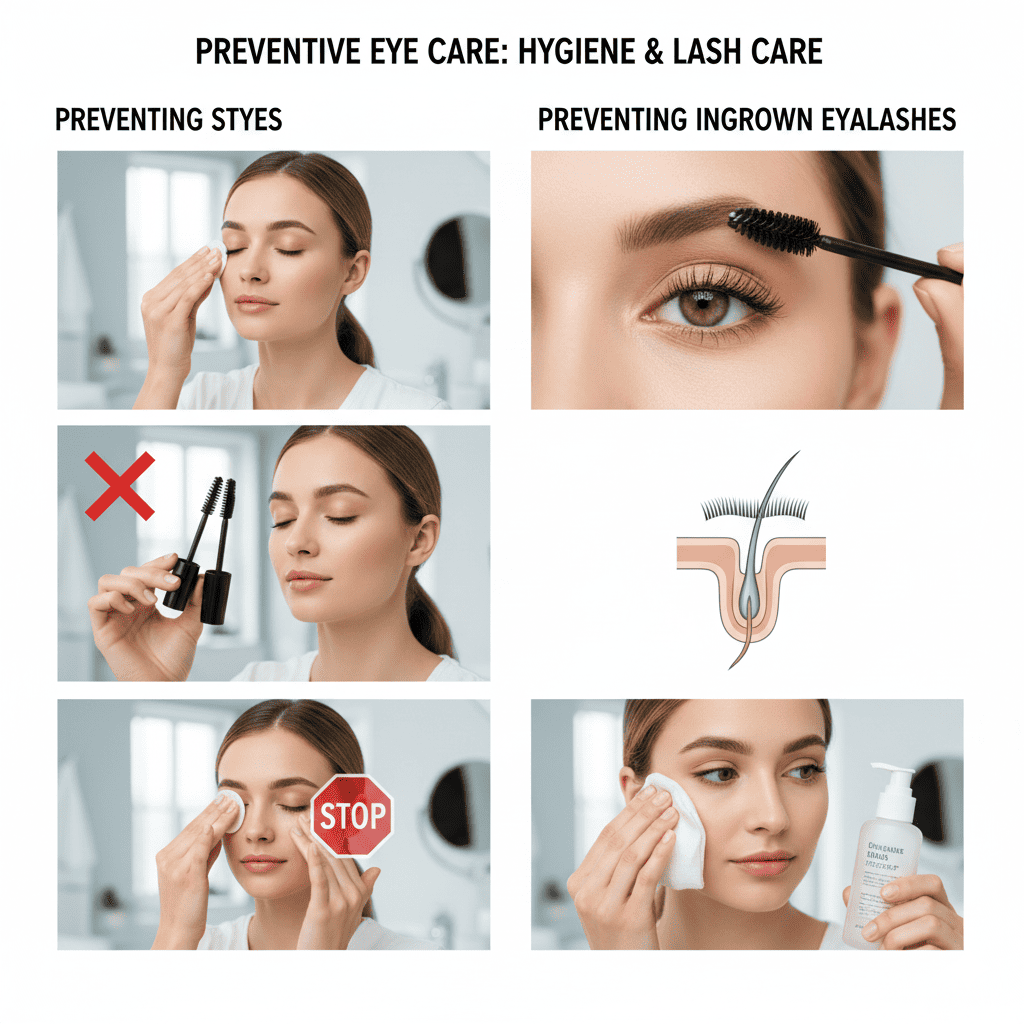
Prevention Strategies Comparison Table
| Prevention Method | Stye Prevention | Ingrown Eyelash Prevention | Effectiveness | Implementation |
|---|---|---|---|---|
| Eyelid Cleaning | High | Moderate | Daily routine | Baby shampoo, cleansers |
| Makeup Hygiene | High | Low | Regular replacement | 3-month rotation |
| Hand Hygiene | High | Moderate | Frequent washing | Before eye contact |
| Avoid Eye Rubbing | High | High | Conscious habit | Gentle patting instead |
| Proper Lash Care | Moderate | High | Gentle handling | No aggressive removal |
| Underlying Condition Management | Moderate | High | Medical follow-up | Blepharitis treatment |
Preventing styes revolves around minimizing bacterial exposure and maintaining clean eyelid environments. Develop a consistent eyelid hygiene routine using gentle cleansers specifically formulated for the eye area or dilute baby shampoo. Clean your eyelids daily, paying special attention to the lash line where oil and debris accumulate. Be meticulous about eye makeup hygiene—replace mascara and eyeliners every 3 months, never share eye cosmetics, and remove all makeup thoroughly before sleeping. Wash your hands frequently and avoid touching your eyes unnecessarily, as hands transfer bacteria to the delicate eye area. If you wear contact lenses, follow strict hygiene protocols including proper cleaning and replacement schedules. For ingrown eyelash prevention, focus on protecting the eyelid structure and hair follicles. Avoid trauma to the eye area that could disrupt normal lash growth patterns. Be gentle when removing eye makeup or applying cosmetics around the lashes. If you have conditions like blepharitis or rosacea that affect eyelid health, work with your doctor to manage these effectively since they can predispose to abnormal lash growth. Avoid plucking eyelashes unnecessarily, as this can damage follicles and cause lashes to regrow in abnormal directions. For people prone to ingrown lashes, regular professional eyelash grooming may help maintain proper growth patterns. Both conditions benefit from overall eye health maintenance including staying hydrated, eating a balanced diet rich in vitamins A, C, and E, and protecting eyes from excessive UV exposure with sunglasses. If you experience recurrent issues despite good prevention practices, consult an eye care professional to identify and address any underlying factors contributing to the problem.
Conclusion
Understanding the difference between styes and ingrown eyelashes ensures proper treatment. Styes need infection control while ingrown lashes require careful removal. Both benefit from good eyelid hygiene.