Skip to content
Have you ever wondered why some lash extensions last weeks while others fall off after just days? The secret lies in the adhesive. I learned this the hard way when I first started my lash business and lost clients due to poor glue choices.
The right semi permanent eyelash adhesive can make or break your lash application. A quality adhesive ensures strong retention, client comfort, and safety. It should bond individual lashes securely without causing irritation, while being easy enough to remove when needed.
After working with hundreds of lash technicians and testing countless adhesives at UBLash, I’ve identified five critical factors that separate great adhesives from mediocre ones. Let me share what I’ve learned so you can avoid the mistakes I made.
Understanding Semi Permanent Eyelash Adhesive
Choosing an adhesive without understanding what it actually is would be like driving blindfolded. You need to know what you’re working with first.
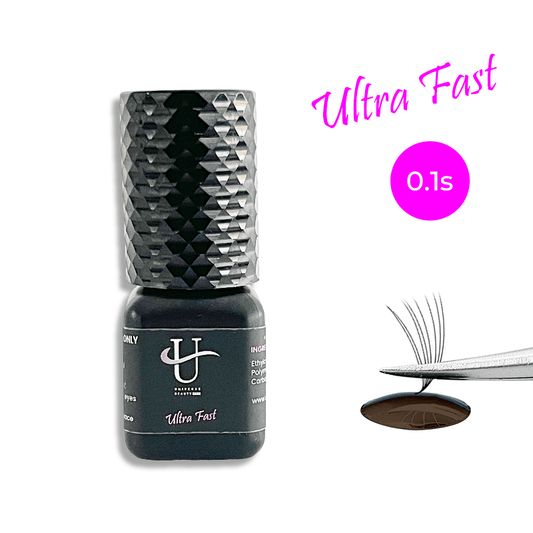
Semi permanent eyelash adhesive is a specialized bonding agent designed to attach individual lash extensions to natural lashes for 2-6 weeks. It contains cyanoacrylate as the primary ingredient, which creates a strong yet flexible bond that withstands daily activities while remaining safe for eye area use.
What is Semi Permanent Eyelash Adhesive?
Semi permanent eyelash adhesive differs significantly from temporary lash glue. The chemistry behind it uses cyanoacrylate compounds that polymerize when exposed to moisture in the air and on natural lashes. This creates a chemical bond rather than just a sticky surface connection.
The adhesive comes in different viscosities. Thin adhesives spread quickly and dry fast. Thick adhesives give you more working time but may create clumps if you’re not careful. Medical grade formulations include additional stabilizers to reduce fumes and potential allergic reactions.
I remember when a client came to me after a bad experience with drugstore lash glue. Her natural lashes were damaged and her eyelids were red and swollen. That’s when I realized the importance of educating people about proper adhesive selection.
Benefits of Using Semi Permanent Adhesives
| Benefit | Description | Duration |
|---|---|---|
| Long-lasting hold | Maintains bond through daily activities | 2-6 weeks |
| Water resistance | Withstands showers, swimming, and humidity | Throughout wear period |
| Natural appearance | Creates seamless blend with natural lashes | Entire application |
| Time-saving | Eliminates daily mascara application | Until removal |
| Customizable results | Allows for various styles and volumes | Per application |
The professional grade adhesives I source for UBLash offer flexibility that moves with natural lashes. This prevents the stiff, uncomfortable feeling that cheaper adhesives create. The bond also remains strong through oil-based cleansers, makeup, and even tears.
What surprised me most was learning that quality adhesives actually protect natural lashes. They create a coating that shields lashes from environmental damage while the extensions are worn. This explains why my clients often report healthier natural lashes after regular extension use with proper adhesive.
Key Factors to Consider
Not all adhesives work for everyone. I’ve seen clients with perfect applications fall apart because we ignored these critical factors.
Three main factors determine adhesive success: individual sensitivity levels, required hold strength for the client’s lifestyle, and ease of application and removal for the technician. Matching these factors to the right adhesive type prevents allergic reactions, premature lash loss, and difficult removal experiences.
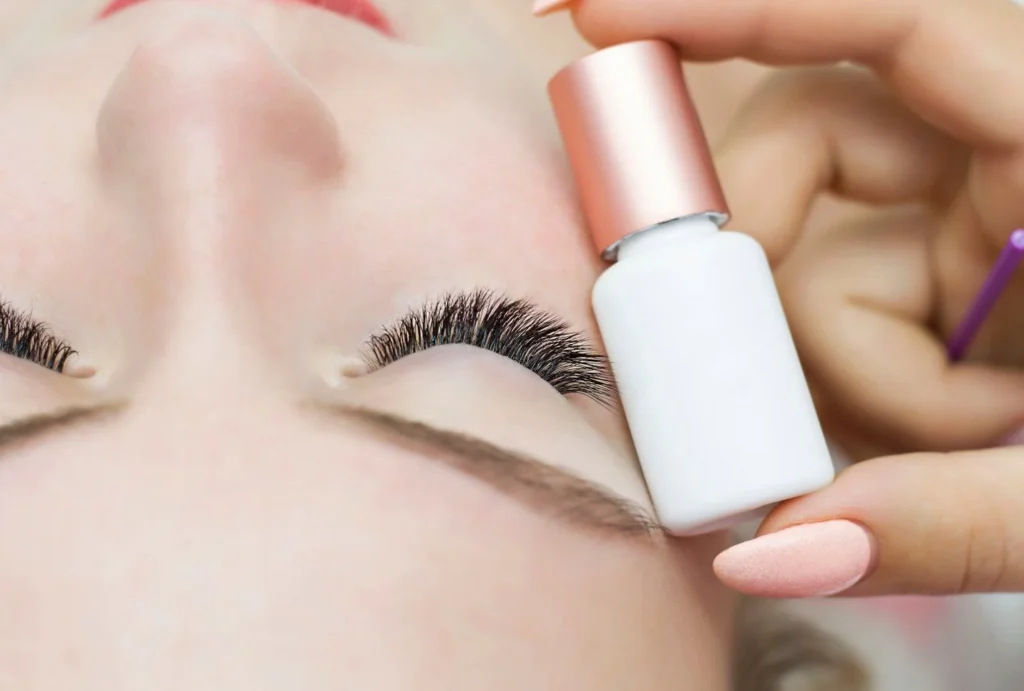
Allergies and Sensitivities
Cyanoacrylate allergies affect about 5% of the population. The symptoms range from mild redness to severe swelling and burning. I always perform patch tests 48 hours before full applications for new clients.
Sensitivity often develops over time even in clients who previously had no issues. This happened to Sophie, one of my regular clients. After two years of perfect applications, she suddenly developed irritation. We switched to a hypoallergenic formula and the problem disappeared.
Common allergens in lash adhesives include:
- Formaldehyde (used as a stabilizer)
- Carbon black (used for color)
- Latex compounds (in some formulations)
- Strong fragrances or preservatives
Hypoallergenic Eyelash Glue Options
| Feature | Standard Adhesive | Hypoallergenic Adhesive |
|---|---|---|
| Fume level | High | Low to minimal |
| Formaldehyde content | 0.1-0.5% | <0.05% |
| Drying time | 1-2 seconds | 2-4 seconds |
| Retention period | 6-8 weeks | 4-6 weeks |
| Price point | Lower | Higher |
Hypoallergenic formulas use modified cyanoacrylates with reduced fume emission. They cost more because the manufacturing process requires additional purification steps. However, they open up your services to sensitive clients who otherwise couldn’t wear extensions.
I stock both types at UBLash because different clients need different solutions. The key is knowing when to recommend each type. If a client mentions any history of eye sensitivity, skin conditions, or previous reactions to cosmetics, I immediately suggest hypoallergenic options.
Hold Strength
Hold strength determines how long extensions stay attached. Too weak and they fall off within days. Too strong and removal becomes damaging. The right strength depends on the client’s natural lash health, daily activities, and desired wear time.
I classify hold strengths into three categories. Light hold works for clients with weak or damaged natural lashes. Medium hold suits most everyday wear situations. Strong hold serves clients with oily skin, active lifestyles, or those in humid climates.
A professional dancer once came to me frustrated because her extensions never lasted through performances. We switched from medium to strong hold waterproof adhesive and her retention jumped from one week to five weeks. She’s been a loyal client for three years now.
Comparing Strong Hold Eyelash Glue
Strong hold adhesives contain higher concentrations of cyanoacrylate. They polymerize faster and create more cross-linking between molecules. This creates a tougher bond that resists moisture, oils, and mechanical stress better than standard formulas.
However, stronger isn’t always better. I made this mistake early in my career. I thought using the strongest glue for everyone would prevent complaints about poor retention. Instead, I had clients struggling with painful removal and damaged natural lashes.
The bond strength you need depends on several factors:
- Natural lash diameter and health
- Client’s skin type (oily vs. dry)
- Climate and humidity levels
- Client’s lifestyle and activities
- Desired extension style and weight
Application and Removal
The best adhesive in the world won’t help if you can’t apply it properly or remove it safely. I’ve seen talented technicians struggle because they chose adhesives that didn’t match their skill level or working style.
Application speed matters tremendously. Fast-drying adhesives give you 1-2 seconds of working time. They’re great for experienced technicians but terrible for beginners. Slow-drying adhesives offer 4-6 seconds, which allows for adjustment and correction.
Removal difficulty varies widely between adhesive types. Some require professional-grade removers and 15-20 minutes of careful work. Others break down with gentle oil-based removers in just 5 minutes. I always consider removal when selecting adhesives for my clients.
Easy-to-Remove Eyelash Glue
| Removal Method | Time Required | Damage Risk | Best For |
|---|---|---|---|
| Cream remover | 5-10 minutes | Low | Home use |
| Gel remover | 10-15 minutes | Very low | Sensitive clients |
| Oil-based remover | 15-20 minutes | Low | Natural removal |
| Professional solvent | 5-8 minutes | Medium | Salon use |
Easy-to-remove adhesives use modified formulas that break down more readily when exposed to specific solvents. They still provide adequate retention for 2-4 weeks but sacrifice some strength for easier removal. This trade-off makes sense for clients who prefer changing their look frequently or those concerned about potential damage.
I recommend easy-to-remove options for first-time extension wearers. This lets them try the look without committing to a strong bond they might find uncomfortable. Once they’re comfortable with extensions, we can switch to longer-lasting formulas if desired.
Types of Adhesives Available
Walking into a supplier warehouse for the first time overwhelmed me. Hundreds of adhesive bottles lined the shelves, each claiming to be the best. Understanding the actual differences between types saved me from costly mistakes.
Lash adhesives fall into three main categories: individual eyelash adhesive for strip lashes, lash extension adhesive for semi-permanent applications, and specialized formulas like waterproof or professional-grade options. Each type serves specific purposes and requires different application techniques and removal methods.
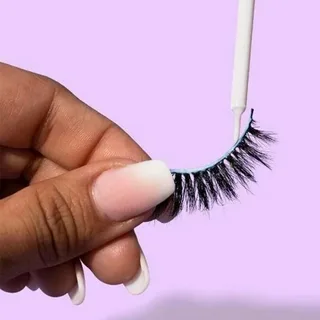
Individual Eyelash Adhesive vs. Lash Extension Adhesive
Individual eyelash adhesive is designed for temporary applications. It holds strip lashes or individual clusters for 12-24 hours. The formula uses lower concentrations of cyanoacrylate mixed with rubber-based compounds. This creates a bond that’s strong enough for one day but breaks down easily with makeup remover.
Lash extension adhesive works completely differently. It’s formulated for semi-permanent bonding to individual natural lashes. The higher cyanoacrylate concentration creates chemical bonds that last weeks. These adhesives also include plasticizers that keep the bond flexible as natural lashes grow and move.
I once had a client try to DIY her extensions using strip lash glue. The result was a disaster. The extensions fell off within two days and her natural lashes were coated in sticky residue. We spent an hour carefully removing everything and repairing the damage. She learned that using the wrong adhesive type doesn’t just fail—it can cause real harm.
The key differences break down like this:
| Feature | Individual Adhesive | Extension Adhesive |
|---|---|---|
| Cyanoacrylate % | 10-30% | 40-90% |
| Bond duration | 1 day | 2-6 weeks |
| Application method | Strip/cluster | Individual lash |
| Removal method | Makeup remover | Professional remover |
| Fume level | Low | Medium to high |
| Price per ml | $2-5 | $15-40 |
Waterproof Eyelash Adhesive
Waterproof formulas add hydrophobic compounds to standard adhesive bases. These molecules repel water and prevent moisture from breaking down the bond. I recommend waterproof adhesives for clients who swim regularly, live in humid climates, or work in environments with high moisture exposure.
The waterproof designation doesn’t mean the adhesive is invincible. Heavy exposure to chlorinated pool water or salt water will still weaken the bond over time. However, waterproof adhesives maintain their strength through normal showering, face washing, and light swimming much better than standard formulas.
Sophie runs a lash salon in Vancouver where rain is constant. She exclusively uses waterproof adhesives for her clients and reports 30% better retention compared to standard adhesives. Her clients can go about their lives without worrying about weather conditions affecting their lashes.
Professional Eyelash Extension Glue
Professional grade adhesives meet higher quality standards than consumer products. They undergo more rigorous testing for consistency, safety, and performance. At UBLash, we only source adhesives that have been tested on at least 100 different clients before we approve them for distribution.
These adhesives offer several advantages:
- Consistent viscosity between batches
- Predictable drying times
- Lower fume emissions
- Better retention rates
- Clearer ingredient disclosure
- Professional technical support
The price difference between professional and consumer adhesives is significant. Professional adhesives cost $20-50 per bottle compared to $5-15 for consumer versions. However, the superior performance and reliability justify the cost for salon use.
I learned this lesson after trying to cut costs with cheaper adhesives. The inconsistent quality led to unpredictable results. Some clients had perfect retention while others lost half their lashes within a week. The time I spent on fixes and the damage to my reputation cost far more than the money I saved on adhesive.
Product Recommendations
After testing over 200 different adhesives in the past five years, I’ve identified clear winners. These recommendations come from real-world testing with actual clients, not just lab results.
The best semi permanent eyelash adhesive balances retention, safety, and ease of use. Top performers include Sky Glue for sensitive clients, BL Lashes for fast application, and Stacy Lash for maximum retention. Each excels in specific situations, so the “best” choice depends on your individual needs and client requirements.
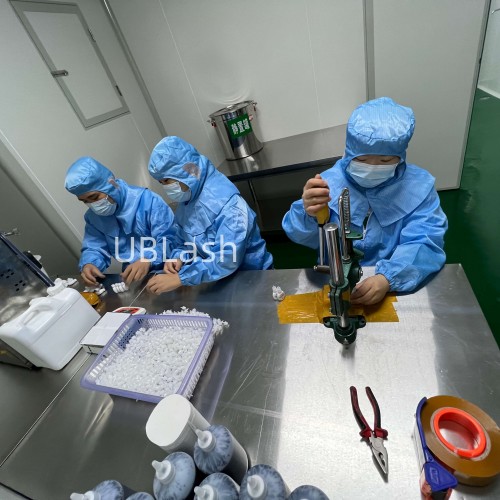
Best Semi Permanent Eyelash Adhesive
My top three picks serve different purposes:
For Sensitive Clients: I recommend Forabeli Sensitive Plus. It contains less than 0.03% formaldehyde and produces minimal fumes. The drying time is 3-4 seconds, giving adequate working time. Retention averages 4-5 weeks with proper care. The only downside is the higher price point at $38 per 5ml bottle.
For Professional Speed: BL Lashes Premium meets the needs of experienced technicians who work quickly. The 1-2 second drying time allows for rapid application. It maintains strong bonds in humid conditions. I use this for volume lash applications where speed matters. It costs $32 per 5ml and lasts about 60 full sets.
For Maximum Retention: Stacy Lash Pro Plus delivers the longest-lasting bonds I’ve tested. Clients regularly report 6-7 weeks of wear with minimal fallout. The thicker viscosity requires more skill to use properly. It works best in low-humidity environments. Price is $35 per 5ml.
| Product | Drying Time | Retention | Fume Level | Price/5ml | Best For |
|---|---|---|---|---|---|
| Forabeli Sensitive Plus | 3-4 seconds | 4-5 weeks | Very Low | $38 | Sensitive clients |
| BL Lashes Premium | 1-2 seconds | 5-6 weeks | Medium | $32 | Speed work |
| Stacy Lash Pro Plus | 2-3 seconds | 6-7 weeks | Medium-High | $35 | Maximum hold |
| UBLash Signature | 2-3 seconds | 5-6 weeks | Low-Medium | $28 | All-around use |
I’ve also developed our own UBLash Signature adhesive based on feedback from hundreds of technicians. It aims for the middle ground—good retention, moderate drying time, and reasonable fume levels. The price point makes it accessible for new lash artists building their businesses.
Reviews of Salon System Semi-Permanent Individual Eyelash Lash Adhesive
Salon System is one of the older brands in the lash industry. Their semi-permanent individual lash adhesive targets the drugstore market. I tested it thoroughly because many of my wholesale clients asked about it.
The adhesive comes in a 7ml bottle that costs around $12-15. The black formula dries in about 4-5 seconds. In my testing, it provided 2-3 weeks of retention for most clients. The consistency is quite thin, which makes it prone to running if you use too much product.
My main concern with this product is quality consistency. I ordered five bottles from different retailers and found noticeable differences in viscosity and drying time between them. This suggests inconsistent manufacturing or storage conditions. For professional use, this unpredictability is problematic.
However, it does have advantages:
- Widely available in beauty supply stores
- Lower price point for beginners
- Gentle formula suitable for most clients
- Easy to find replacement bottles
- Decent retention for the price
I recommend Salon System for lash artists just starting out who need to minimize initial investment. Once you’re established and can afford professional-grade adhesives, you should upgrade. The improved consistency and performance will pay for the higher cost through better client retention and fewer complaints.
Aftercare and Maintenance
The best adhesive will fail if clients don’t care for their lashes properly. I’ve learned that client education is just as important as adhesive selection.
Proper aftercare extends lash retention by 50-100% compared to neglected lashes. Key practices include avoiding water for 24 hours after application, using oil-free products, gentle cleansing, and sleeping on your back. These simple steps protect the adhesive bond and keep extensions looking fresh throughout their wear period.
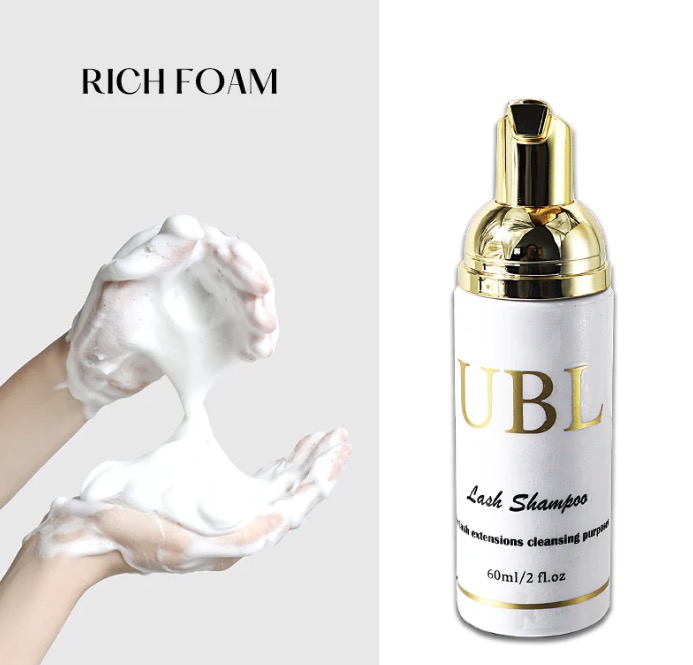
Semi Permanent Lashes Care
The first 24 hours after application are critical. The adhesive needs this time to fully cure and reach maximum strength. I tell clients to avoid water, steam, and heavy sweating during this period. This means no showers directly on the face, no hotyoga classes, and no crying at sad movies.
After the initial curing period, daily care becomes important. I provide every client with a printed care guide because verbal instructions are often forgotten. The guide covers these essential practices:
Daily Cleansing: Lashes need cleaning just like natural lashes. Oil, makeup, and environmental debris accumulate on extensions and weaken the adhesive bond. I recommend using a lash-specific foaming cleanser with a soft cleansing brush. Clients should clean their lashes every evening before bed.
Product Selection: Oil-based products are the enemy of lash adhesive. Oils break down cyanoacrylate bonds faster than anything else. This includes makeup removers, moisturizers, and cleansers. I’ve had clients lose all their extensions within three days because they used coconut oil near their eyes.
One of my clients learned this the hard way. She used her regular oil-based makeup remover after getting extensions. Within a week, 80% of her lashes had fallen out. She was devastated and thought the adhesive was defective. After switching to oil-free products, her next set lasted the full six weeks.
Tips for Long-Lasting Eyelash Glue
| Care Practice | Frequency | Impact on Retention |
|---|---|---|
| Gentle cleansing | Daily | +30-40% retention |
| Oil-free products | Always | +40-50% retention |
| Lash brushing | Twice daily | +20-30% retention |
| Avoiding heat | Daily | +15-20% retention |
| Proper sleeping | Nightly | +25-35% retention |
Sleeping Position: This surprised me when I first learned about it. Sleeping face-down crushes extensions against the pillow. The friction and pressure weaken adhesive bonds overnight. I recommend sleeping on your back or side. Silk pillowcases also help because they create less friction than cotton.
Heat Exposure: High temperatures accelerate adhesive breakdown. Steam rooms, saunas, and even opening hot ovens directly in front of your face can damage the bond. I tell clients to keep their face at least 12 inches away from heat sources. This doesn’t mean avoiding normal cooking or hot showers—just being mindful of direct heat exposure.
Mechanical Stress: Rubbing, pulling, or playing with lashes damages both extensions and natural lashes. Some clients develop nervous habits of touching their lashes. I had one client who unconsciously pulled on her extensions while reading. We worked on breaking this habit because no adhesive can withstand constant pulling.
Touch-ups: I recommend fill appointments every 2-3 weeks. Even with perfect care, extensions naturally shed as your lash growth cycle progresses. Fills replace lost extensions and maintain fullness. Clients who wait longer than 3 weeks often need full replacement rather than fills, which costs more and takes more time.
Humidity Control: Adhesive performs best in 40-60% humidity. Very dry air makes adhesive brittle. Excessive humidity can cause the adhesive to cure too slowly or remain slightly tacky. I live in an area with variable humidity, so I adjust my adhesive choice based on seasonal conditions.
The environmental factors clients can control include:
- Using a humidifier in dry winter months
- Avoiding direct fan airflow on the face
- Storing makeup and skincare away from the lash area
- Keeping the bedroom temperature moderate
- Avoiding excessive air conditioning directed at the face
Professional Maintenance: Some issues require professional attention. If extensions start twisting, crossing, or growing in uncomfortable directions, clients should book an appointment rather than trying to fix it themselves. I’ve seen too many cases where DIY repairs led to natural lash damage.
I also educate clients about normal shedding. Losing 1-5 extensions per day is completely normal as part of the natural lash cycle. Some clients panic when they find a lash on their pillow, thinking the adhesive has failed. Understanding the natural process prevents unnecessary worry and helps clients maintain realistic expectations.
Seasonal Adjustments: Summer requires extra care due to increased sweating and swimming. I recommend waterproof adhesive for summer applications and extra gentle cleansing to remove sunscreen and sweat. Winter brings dry air that can make adhesive brittle, so I suggest using a bedroom humidifier and being extra gentle during cleansing.
Conclusion
Choosing the right semi permanent eyelash adhesive requires understanding your specific needs, client sensitivities, and working conditions. Focus on hypoallergenic options for sensitive clients, match hold strength to lifestyle requirements, and always prioritize proper aftercare education. The perfect adhesive combined with good care practices creates beautiful, long-lasting results.
My Name: Fanny
My Email: contact@universebebautylashes.com
My Website Link: www.ublash.com