Skip to content
As a lash supplier who works with salon owners and trainers every day, I see one product quietly becoming the “make-or-break” for cluster services: bond and seal. Sophie—since you’re a 25-year-old salon owner and trainer in Canada, you’re probably balancing the same three realities I hear all the time: your students want fast, foolproof results; your clients want comfort and clean aesthetics; and you need consistent quality at a price that protects your margins—often while sourcing from China.
I’m Fanny from UBLash (www.ublash.com), a China-based B2B lash extension products supplier offering OEM/ODM services and private label options with low MOQ. In this guide, I’ll break down exactly what is bond and seal for lash clusters, how it compares to glue, how to troubleshoot retention, and what to look for when you’re choosing the best lash bond and seal for clusters for professional use—especially when you care about inspection, certification, logistics, and payment methods.

Why “Bond and Seal” Has Become a Must-Have for Cluster Services
If you’re offering cluster lashes (also called eyelash clusters or lash clusters) in-salon, you already know the client expectation: “I want that extension look, but I want it quicker—and I don’t want a heavy feeling.” This is exactly where lash clusters with bond and seal shine.
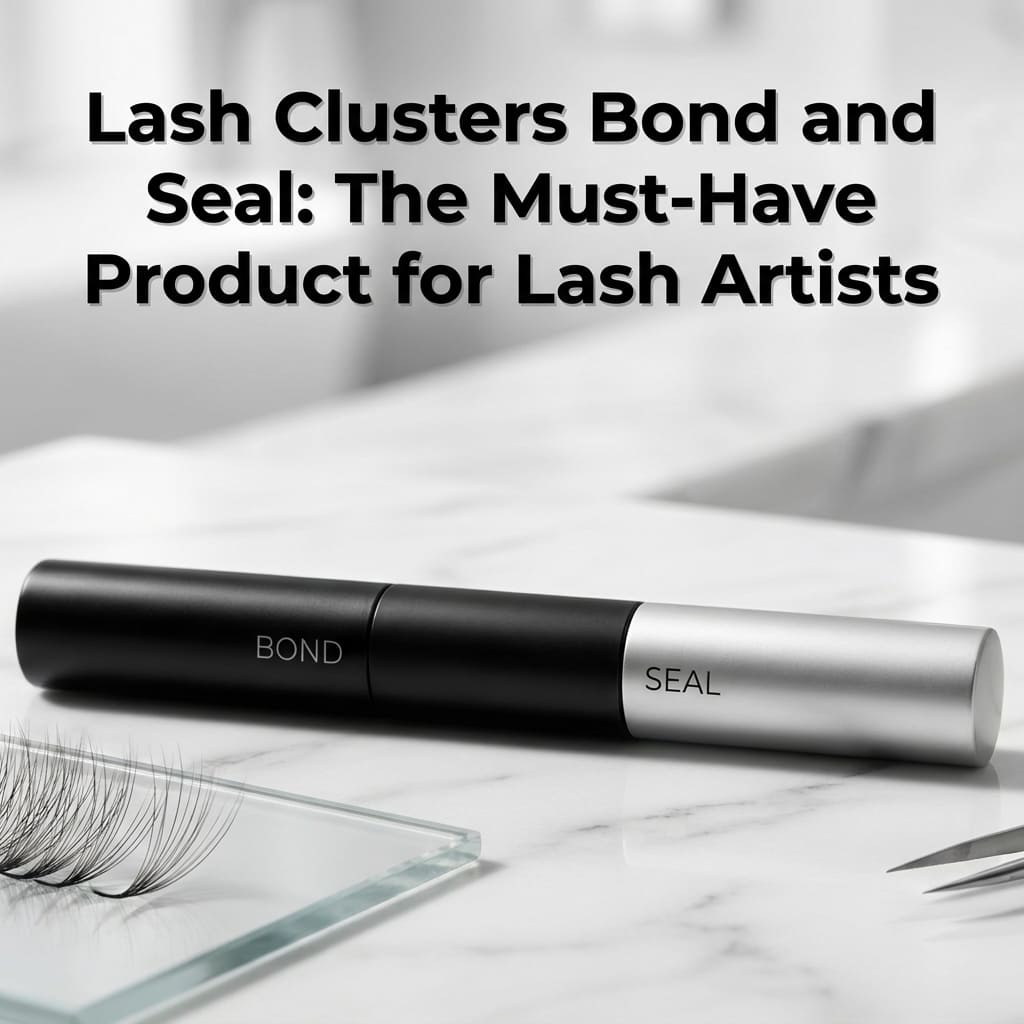
What bond and seal actually does (in practical terms)
Bond and seal is typically a two-step system:
- Bond: the adhesive step that grips the cluster to natural lashes (a specialized lash adhesive designed for cluster placement).
- Seal: a finishing sealant for lashes that reduces tackiness, boosts comfort, helps resist moisture/oil, and improves the finished look (less sticky “shiny” base).
When you’re teaching students, this system is easier to standardize than “random glue + random topcoat,” which is why bond and seal lash clusters services often look more consistent across different skill levels.
Why clients like it
Clients tend to love:
- A lighter, more flexible feel than many traditional adhesives
- Cleaner base appearance when used correctly
- Faster appointment times for certain looks
- A more “wearable” daily routine when you educate them properly
Why trainers like it
From a training perspective, a lash clusters bond seal guide (like the one you’re reading) helps reduce:
- inconsistent pickup
- glue overload
- messy bases
- clusters twisting or popping off
Bond and Seal vs Lash Glue: What’s the Difference (and Why It Matters for Retention)
A common question in classes is bond and seal vs lash glue—especially from artists who are already confident with traditional adhesives.
Here’s the clearest way to explain it:
- Traditional lash glue (for strip lashes) is usually made for quick placement on skin/lash line and same-day wear.
- Professional extension adhesives are cyanoacrylate-based and intended for classic/volume extensions applied one-by-one (not cluster-underlash consumer methods).
- Bond and seal for clusters is designed for cluster placement behavior: flexible hold, controlled tack, and a finishing step to reduce stickiness.
So if you’re wondering bond and seal lasts how long or how long do lash clusters last with bond and seal, the answer depends on technique, aftercare, and product quality—but the system is built specifically to extend wearable time compared with basic strip glue when applied correctly.
“How Long Do Lash Clusters Last With Bond and Seal?” (Realistic Expectations for Salon Clients)
This question comes up constantly: how long do lash clusters last with bond and seal?
In professional practice, most artists position cluster services as:
- short-term wear for events and travel, or
- a lighter-maintenance alternative for clients who don’t want full extensions.
Retention varies based on:
- lash prep and oil control
- bond amount and placement accuracy
- humidity and client lifestyle
- seal step quality (and timing)
- client aftercare compliance
If your clients are asking “bond and seal lasts how long,” set expectations clearly and protect your reputation: aim for honest ranges, then teach aftercare to push toward the upper end.
The Pro Technique: How to Apply Lash Clusters With Bond and Seal (Step-by-Step)
If you want consistent results in your salon and in your trainings, here’s a clean, teachable method for how to apply lash clusters with bond and seal.
1) Prep the lashes like you mean it
Great lash bonding starts before the bond opens.
Lash application prep checklist:
- Cleanse natural lashes (remove makeup, sunscreen, skincare residue)
- Rinse and fully dry
- Use a gentle primer if appropriate for the service (avoid over-wetting)
- Brush lashes straight and separated
Retention note: Poor prep is the #1 cause of “lash clusters not sticking fix” situations.
2) Apply bond: less is more
For bond and seal lash clusters, the biggest beginner mistake is using too much bond.
Pro tip: Use a thin, even coat at the lash base area where the cluster will grip natural lashes. If you want to market a premium experience, look for a no clump lash bond applicator design—clean application reduces redo time.
3) Wait for tack (don’t rush)
If you place clusters too wet, you risk:
- slipping
- twisting
- sticking to neighboring lashes
- messy bases
Teach students: wait until it’s tacky, not wet.
4) Place clusters strategically
When working with lash clusters:
- Start from outer corner or follow your mapping system
- Keep placement consistent (underlash or overlash depending on your service style and client suitability)
- Avoid touching skin/waterline
- Check symmetry often
5) Seal to finish (and to professionalize the look)
Your sealant for lashes step is what makes the service feel “complete.”
- It reduces tackiness and helps prevent lint/dust sticking
- It improves comfort
- It can help the base look cleaner and less shiny
This is why “bond and seal” is a system—not just another lash adhesive.
6) Final check + aftercare coaching
Brush lightly, check for stickies, and give clients a simple routine they’ll actually follow.

How to Use Lash Bond Seal (Beginner-Friendly Teaching Notes)
If you’re training newer artists, the phrase how to use lash bond seal should translate into repeatable rules:
Lash bond seal for beginners:
- Use small amounts (overuse causes slipping and clumping)
- Avoid sealing too early (seal after placement is stable)
- Keep clusters lightweight for first-time wearers
- Teach clients not to rub or oil-clean near the lash base
Your students don’t need 20 theories—they need 6 rules that prevent 80% of failures.
Lash Cluster Retention Tips: Make Results More Predictable
If your salon is getting inconsistent outcomes, these lash cluster retention tips usually fix the core issues fast:
- Control oil: lash cleanser + fully dry lashes = better grip
- Right cluster weight: heavy clusters stress natural lashes and lift faster
- Avoid bond overload: too much product causes sliding and sticking
- Use seal properly: a good sealant for lashes helps reduce tackiness and improves comfort
- Educate the client: no steam/sauna immediately, avoid heavy oils at lash line
- Spacing matters: place clusters so they don’t pinch or bind multiple natural lashes unintentionally
If clients report early lifting, your troubleshooting script should start with prep and bond quantity, not blame “bad lashes.”
Troubleshooting: Lash Clusters Not Sticking Fix (Fast Diagnostic Checklist)
When you hear “My lash clusters won’t stick,” use this checklist.
Common causes
- Lashes weren’t properly cleansed (oil barrier)
- Bond applied too thick (never gets ideal tack)
- Placement too soon (wet bond)
- Seal applied incorrectly (or skipped)
- Client used oil cleanser at lash line
- Clusters too heavy or too long for the natural lash
Quick fixes you can teach
- Re-clean and fully dry
- Use less bond
- Wait longer for tack
- Re-map the lash line with lighter clusters
- Finish with seal for comfort and less tack
This is the practical heart of a good lash clusters bond seal guide—simple diagnosis, repeatable corrections.
Waterproof Lash Bond and Seal: What “Waterproof” Really Means for Clusters
Many buyers ask for waterproof lash bond and seal. In reality, “waterproof” is often marketing shorthand for:
- better resistance to humidity and tears
- less breakdown from light water exposure
- improved daily wear stability
For Sophie’s salon: sell it responsibly. Even the best bond and seal for lash clusters needs correct prep, correct curing/tack time, and correct client aftercare.
Sensitive Eyes Lash Bond Seal: Comfort, Irritation, and What to Look For
For your clients (and students) with reactivity concerns, you’ll likely get requests for sensitive eyes lash bond seal options.
Here’s how I suggest framing it professionally:
- Everyone’s sensitivity is different
- Patch testing and proper ventilation matter
- Application technique impacts comfort as much as formula does
Lash bond seal ingredients safety (what to evaluate when sourcing)
When you source from China (or anywhere), you should ask your supplier for:
- ingredient list / INCI where applicable
- safety data sheets (SDS/MSDS)
- production batch traceability
- clear labeling for professional use
As a B2B supplier, we routinely support buyers with documentation so you can standardize training and reduce risk. This is part of how you build a “trainer-level” product system—not just a one-off purchase.
Clear vs Black Lash Bond: Which One Should a Salon Stock?
Clear vs black lash bond is not only aesthetic—it affects how forgiving the service is.
- Clear bond: cleaner for natural looks, better for clients who don’t wear liner
- Black bond: can camouflage gaps and add “liner effect,” often preferred for dramatic sets
Many salons stock both because training needs and client styles vary. If you’re creating a retail line, offering two shades can lift your average order value without complicating education.
Best Lash Bond and Seal for Clusters: A Buyer’s Checklist for Sophie (Quality + Price)
If you’re looking for the best lash bond and seal for clusters (or the best bond and seal for lash clusters) with stable supply, don’t judge by packaging alone.
Performance checklist (salon + training)
- consistent tack time
- minimal clumping (applicator matters)
- comfortable seal finish
- clean removal process
- stable batches (this is a factory discipline issue)
Business checklist (Canada buyer sourcing from China)
You told me you’re quality-sensitive and price-conscious—so your checklist should include:
Quality inspection
- Incoming material inspection
- In-process QC checks (viscosity, brush consistency, fill volume)
- Finished goods inspection (appearance, labeling, leakage test)
- Batch number tracking and retention samples
At UBLash, we emphasize consistency because the fastest way to lose a trainer’s trust is a “perfect sample” followed by a different bulk order.
Certification & compliance support For lash products, many buyers look for documentation and compliance support such as:
- SDS/MSDS
- ingredient and labeling support
- manufacturer documentation used for importing and distribution needs
(Exact certification needs vary depending on the product category and your local requirements in Canada.)
Logistics To avoid “delayed production” chaos, you need:
- confirmed lead times in writing
- production schedule updates
- packaging approval process (pre-production sample confirmation)
- reliable shipping options (air/express vs standard)
Payment methods For B2B orders, buyers typically want flexible, clear payment options such as:
- bank transfer (T/T)
- secure card payments (when available)
- platform-based trade assurance solutions (by request)
UBLash supports practical options depending on order size and your private label plan.
Sophie’s Pain Points: What Usually Goes Wrong (and How UBLash Addresses It)
If you’re sourcing from overseas, these are the pain points I hear most from Canadian salon owners and trainers:
1) Inefficient communication
Problem: slow replies, vague answers, unclear timelines. UBLash approach: we standardize communication with clear product specs, confirmation checkpoints (formula, applicator, packaging), and predictable update cadence so you aren’t chasing answers during a launch.
2) Quality discrepancies between sample and bulk
Problem: sample feels great, bulk feels different—tack time changes, seal feels sticky, brush differs. UBLash approach: batch consistency controls, documented QC steps, and approval samples (especially for OEM/ODM and private label) help keep your retail reputation protected.
3) Delayed production
Problem: packaging delays, label mistakes, missing components, or “factory backlog surprises.” UBLash approach: pre-production confirmation, packaging proofing, and realistic scheduling reduce preventable delays—critical when you’re training cohorts or restocking retail.
These are not “small issues.” They affect your class outcomes, your refunds, and your brand trust.

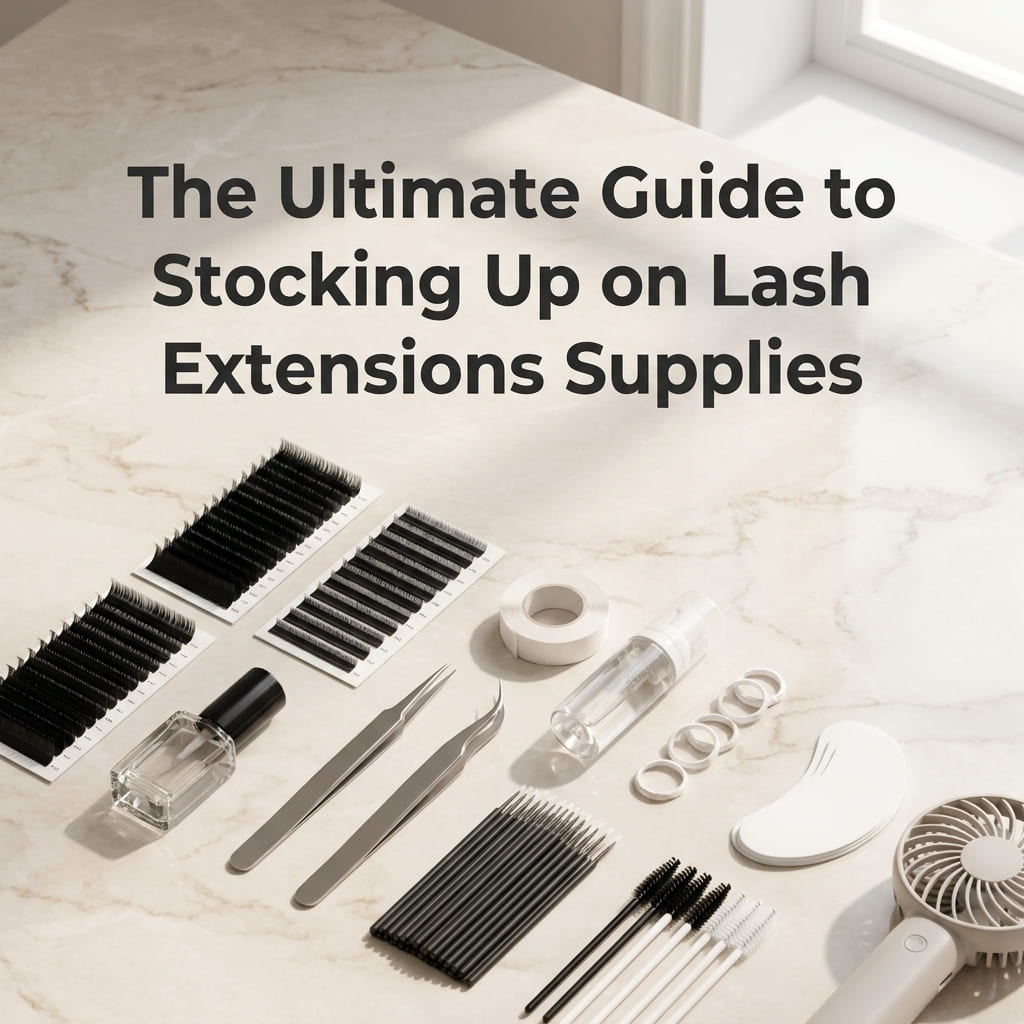
Professional Lash Cluster Kit Essentials (What I Recommend Stocking)
If you’re building a standardized service menu and training program, these professional lash cluster kit essentials help reduce errors:
- multiple lengths of eyelash clusters (natural to dramatic)
- bond and seal duo (bond + sealant for lashes)
- precision tweezers designed for clusters
- lash cleanser + rinse tools
- spoolies + mirror tools for client check
- aftercare cards (simple, visual)
- remover option (for safety)
- backup applicators (avoid “one brush fits all” clumping issues)
When you’re scaling, systems beat “hero artistry.” Kits create consistent outcomes across staff and students.
Remove Lash Bond and Seal Safely (For Salon + Client Education)
Clients will eventually ask how to take them off. Build trust by teaching remove lash bond and seal safely procedures:
Safe removal principles
- Do not pull clusters off dry
- Use a suitable remover (or oil-based remover if appropriate for your product system) and wait for softening
- Work gently from the outer corners
- Cleanse after removal and condition natural lashes
For training: make removal a required module. Good removals prevent lash damage, and fewer damaged lashes mean better retention next time.
OEM/ODM + Private Label Bond and Seal: How Sophie Can Build Her Own Brand (Low MOQ)
Since you’re a salon owner and a trainer, private label can be a smart next step—if it’s executed professionally.
UBLash is a China-based B2B supplier offering:
- OEM/ODM services (formula, brush/applicator, bottle specs, branding direction)
- private label packaging options
- low MOQ solutions so you can test your market without overbuying
Customizable packaging options that actually sell
- matte vs glossy finishes
- bilingual labeling support (helpful for Canada)
- boxed kits vs duo blister packaging
- consistent branding across bond, seal, and clusters

Quick FAQ (Based on Real Salon Questions)
What is bond and seal for lash clusters?
It’s a two-step system: bond acts as the adhesive grip, and seal finishes the set by reducing tackiness and improving comfort and wear. This is why lash clusters with bond and seal often feel cleaner and more client-friendly than basic glue-only methods.
How to apply lash clusters with bond and seal for better retention?
Prep thoroughly, apply a thin layer of bond, wait for tack, place precisely, then seal at the end. Use the lash cluster retention tips above and avoid product overload.
Bond and seal vs lash glue—what should I teach?
Teach that bond-and-seal is designed for cluster wear behavior and finishing, while strip glue is usually for short wear and different placement habits.
Takeaway: A “Small” Product That Makes Your Cluster Services Look Premium
Sophie, if you want your cluster services and trainings to feel more professional, lash clusters bond and seal should be part of your core system—not an afterthought. With the right formula, consistent QC, and reliable logistics, you’ll get fewer “not sticking” complaints, cleaner results, and a better experience for students and clients.
If you’d like to source bond and seal lash clusters solutions, build a private label line, or create a full cluster kit with customizable packaging and low MOQ, contact me:
- Fanny | UBLash
- Website: www.ublash.com
- Email: contact@universebebautylashes.com
Let’s build a reliable, scalable product system for your Canadian salon and training business—focused on top-quality soft lash materials, consistent performance, and pricing that supports healthy margins.